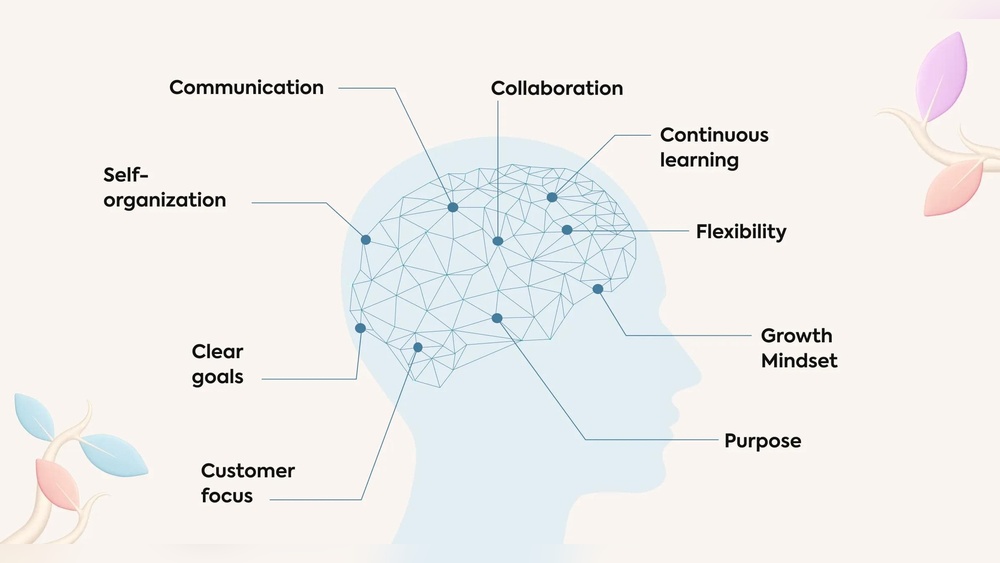
Mindset means how we think about our abilities and the world. It affects everything we do. From learning at school, to solving problems, and even how we treat others. This article will explain what mindset is, the types of mindset, and why it matters in life and relationships.
What Is Mindset?
Mindset is the way we think about our talents and skills. Some people believe these things never change. Others think they can grow with effort and learning. This way of thinking can help or hurt us.
Imagine two kids trying to learn to ride a bike. One says, “I can never do this. I am just not good at it.” The other says, “I will keep trying until I get better.” The first kid has a fixed mindset. The second one has a growth mindset.
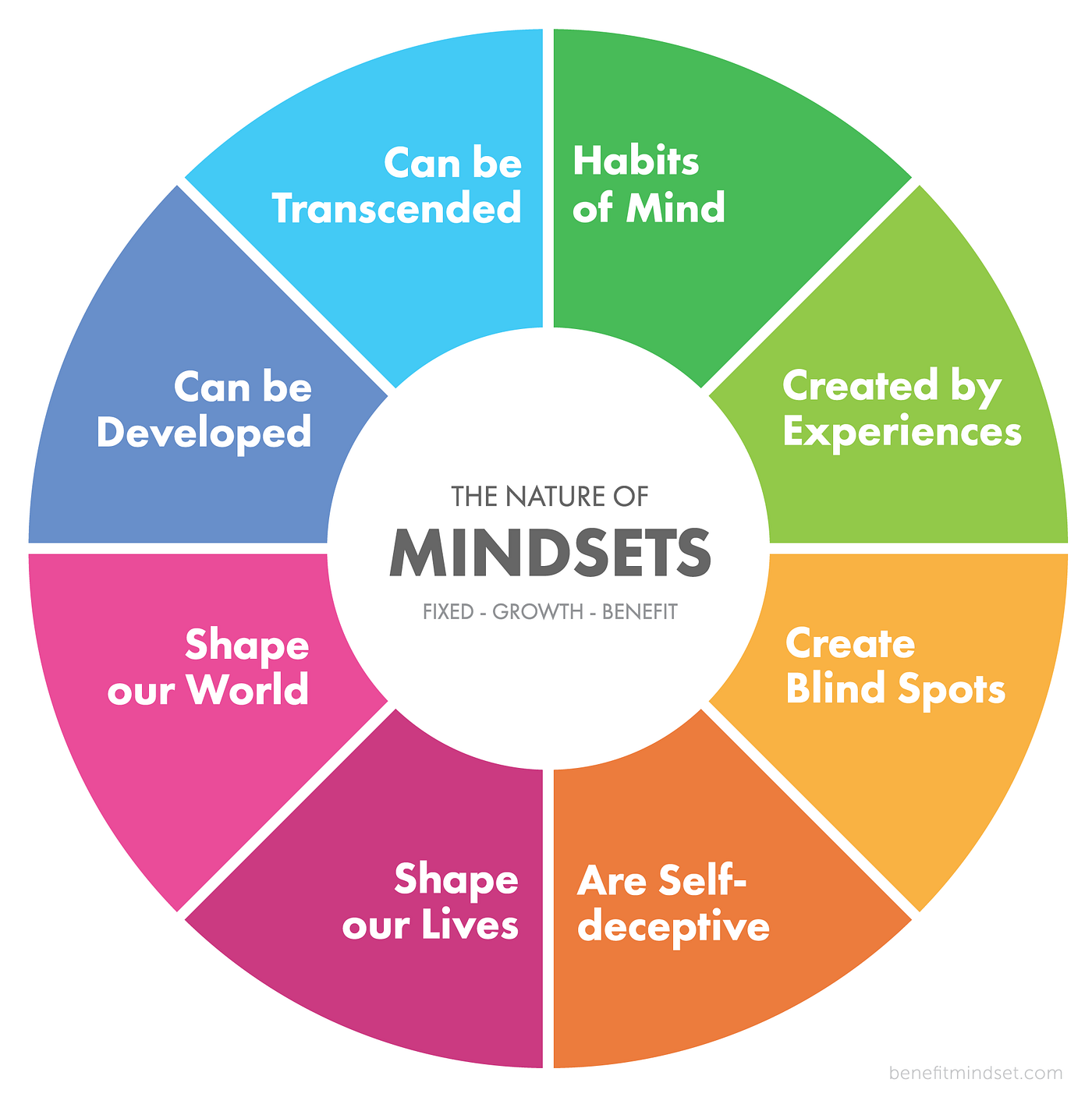
Credit: medium.com
Types of Mindsets
Fixed Mindset
A fixed mindset means you believe your skills and brain are fixed. You think you are born smart or not. You cannot change that much.
- You avoid hard tasks because you fear failure.
- You quit when things get tough.
- You think effort is useless. If you need effort, you must not be good.
- You ignore advice or feedback that can help you.
- You feel jealous when others succeed.
- You want to prove you are smart, not to improve.
People with a fixed mindset see success and failure as true signs of their worth. This makes them scared to try new things. They want to look good, not learn more.
Growth Mindset
A growth mindset means you believe your skills can grow. You think your brain can get stronger by trying and learning.
- You like challenges because they help you grow.
- You keep trying even when it is hard.
- You see effort as a way to get better.
- You listen to advice and use it to improve.
- You feel happy when others succeed and learn from them.
- You focus on learning, not just looking smart.
People with a growth mindset believe they can always improve. They are not afraid of mistakes. They use mistakes to learn and grow.
Why Mindset Matters for Success
Mindset shapes how we react to problems. It changes how much effort we put in. It affects how we learn new skills.
People with a growth mindset work harder when things get tough. They do not give up easily. This helps them reach their goals. Those with a fixed mindset may stop trying, thinking they cannot improve.
Even in school, a growth mindset helps. Students believe they can get smarter with practice. They do better on tests and enjoy learning more.
Mindset and Relationships
Mindset does not only affect learning. It also shapes how we treat others. It changes how we handle problems with friends or family.
How Mindset Affects Relationships
When we have a growth mindset, we try to fix problems. We listen and learn from mistakes. We support each other to grow. We stay hopeful, even during hard times.
When we have a fixed mindset, we blame others. We think problems cannot change. We may give up on relationships quickly. We feel jealous of others’ success.
Fixed Mindset Vs. Growth Mindset In Relationships
| Aspect | Fixed Mindset | Growth Mindset |
|---|---|---|
| Handling Conflict | Blames partner, sees problems as permanent. | Works together to solve problems and improve. |
| Effort in Relationship | Thinks relationships should be easy; quits when hard. | Believes effort makes relationship stronger. |
| Partner’s Success | Feels jealous or threatened by partner’s growth. | Supports and feels happy for partner’s success. |
| Expectations | Wants perfect, instant compatibility. | Accepts growth takes time and effort. |
How to Develop a Growth Mindset
Good news! You can change your mindset. You can learn to think in a growth way. Here are some steps:
- Try new things: Even if you are afraid, try anyway.
- Learn from mistakes: See mistakes as chances to learn.
- Use “yet”: If you can’t do something, say “I can’t do this yet.”
- Ask for help: Getting advice helps you grow.
- Celebrate effort: Praise hard work, not just results.
- Be patient: Growth takes time and practice.
Credit: www.growthengineering.co.uk
Why Mindset Is Important Every Day
Mindset affects how we feel. It can make us happy or sad. It shapes how we face challenges.
With a growth mindset, challenges are chances to improve. With a fixed mindset, challenges feel like threats. This changes how we live our lives.
Also, mindset helps us have better friendships and family ties. People with a growth mindset build stronger bonds. They listen more and fight less.
Summary
Mindset is how we think about our skills and challenges. There are two main types: fixed and growth.
A fixed mindset stops us from trying hard. It makes us avoid problems and give up fast. A growth mindset helps us work hard. It makes us keep learning and trying.
Mindset matters for success in school, work, and life. It also shapes how we treat others. A growth mindset helps build strong, happy relationships.
You can change your mindset by trying new things, learning from mistakes, and praising effort. This change can make your life better and happier.
Start today. Think about your mindset. Choose to grow.
Frequently Asked Questions
What Does Mindset Mean?
Mindset means the set of beliefs and attitudes that shape how people think, learn, and respond to challenges. It influences success and growth.
What Are The 4 Types Of Mindset?
The four types of mindset are fixed, growth, positive, and negative. Fixed sees traits as unchangeable. Growth embraces learning. Positive focuses on optimism. Negative dwells on limitations. Each mindset shapes behavior, success, and relationships differently.
What Is A Good Mindset?
A good mindset embraces growth, resilience, and learning from challenges. It values effort, adapts to change, and stays positive. This mindset drives success and improves relationships by fostering persistence and open-mindedness.
What Is Another Word For Mindset?
Another word for mindset is “attitude,” “mentality,” “outlook,” “perspective,” or “belief system. ” These terms describe how people think or approach situations.