
Imagine having everything you need for your business or project all in one place. No more juggling multiple tools or wasting time switching between apps.
With an Allinoneplatform, you get the power to simplify your work, save time, and boost your productivity effortlessly. If you’re ready to make your daily tasks easier and focus on what really matters, keep reading. This article will show you how an all-in-one platform can transform your workflow and help you achieve more with less hassle.
Benefits Of An All-in-one Platform
An all-in-one platform brings many benefits to businesses of all sizes. It combines several tools into one place. This makes daily tasks easier and faster. Teams spend less time switching between apps. They get more done with less effort.
Using one platform also means fewer errors. Data stays consistent across all functions. Everyone works with the same information. This reduces confusion and mistakes.
Streamlined Processes
All tasks happen in one system. No need to jump between different tools. Workflows become simple and clear. This saves time and reduces stress. Teams follow a smooth process from start to finish.
Cost Savings
Paying for one platform costs less than many separate tools. No extra fees for multiple subscriptions. Fewer tools mean less training and support needed. Businesses save money on technology and management.
Improved Collaboration
Teams share data and updates instantly. Everyone stays on the same page. Communication improves across departments. Collaboration becomes easier and more effective. Projects move forward without delays or confusion.

Credit: www.youtube.com
Key Features To Look For
Choosing the right all-in-one platform can improve your work and save time. Focus on features that help you organize tasks, communicate well, automate routine jobs, and analyze data easily. These key features make your platform useful and practical for daily use.
Task Management Tools
Task management tools help you plan and track your work. Look for features like to-do lists, deadlines, and progress tracking. They keep your team on the same page and help avoid missed deadlines. Simple interfaces with drag-and-drop options make task handling easier.
Integrated Communication
Good communication tools let your team talk in one place. Chat, video calls, and message boards reduce confusion. Integrated tools stop the need to switch apps. Clear communication speeds up decision-making and keeps everyone informed.
Automation Capabilities
Automation saves time by handling repetitive tasks. Features like automatic reminders, task assignments, and data syncing reduce manual work. Automation helps maintain consistency and reduces errors. It lets your team focus on more important tasks.
Data Analytics And Reporting
Data analytics show how well your projects perform. Look for tools that generate easy-to-read reports. These reports help you understand progress and spot issues early. Clear visuals and simple data help make better decisions fast.
Choosing The Right Platform
Choosing the right all-in-one platform is key to managing your projects and tasks efficiently. The platform you pick should fit your specific needs and help you work better. It must support your current workflow and grow with your business over time. Ease of use and good support also play important roles in your daily operations.
Assessing Your Workflow Needs
Start by listing the tasks you do daily. Find out which features you really need. Some platforms offer many tools, but not all are useful for everyone. Focus on the tools that match your work style. This saves time and reduces confusion.
Scalability And Flexibility
Your platform should grow as your business grows. It must handle more users and more data easily. Check if it allows adding new features or integrations. Flexibility helps you adapt to changing needs without switching platforms.
User Experience And Support
Pick a platform that is easy to learn and use. A simple interface helps your team work faster. Good customer support is important for solving problems quickly. Look for platforms with clear guides and responsive help teams.
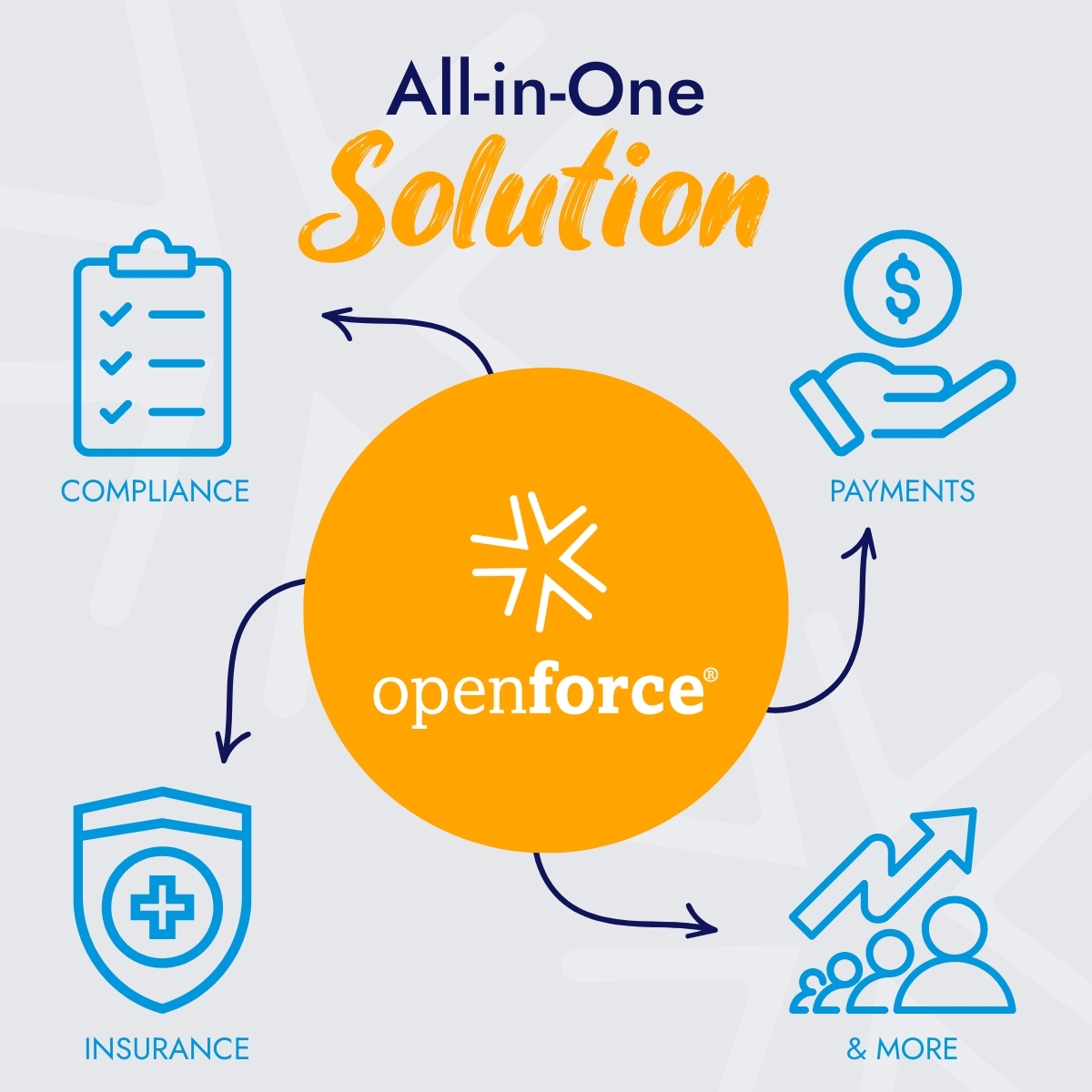
Credit: x.com
Implementing The Platform Effectively
Implementing an all-in-one platform requires careful steps to ensure success. The process involves more than just installing software. It demands planning, training, and ongoing checks to keep things running smoothly.
Each phase plays a key role. Proper planning helps avoid confusion. Training makes sure the team knows what to do. Monitoring keeps track of progress and fixes issues early.
Planning The Transition
Start by mapping out the switch to the new platform. Identify key tasks and set clear goals. Decide which parts of the current system will change first. Create a timeline that fits your team’s schedule. Communicate the plan to everyone involved. This reduces surprises and keeps everyone aligned.
Training Your Team
Provide simple and clear training sessions. Use easy examples to explain how the platform works. Allow time for questions and practice. Focus on the features your team will use daily. Offer support materials like guides or videos. Regular training boosts confidence and reduces errors.
Monitoring Performance
Track how well the platform performs after going live. Use reports and feedback from users to spot problems. Check if the system meets your goals and expectations. Fix issues quickly to avoid bigger troubles. Keep an eye on key metrics like speed and accuracy. Ongoing monitoring helps maintain smooth operation.
Real-life Success Stories
Real-life success stories show how an all-in-one platform helps businesses grow. These stories highlight how different companies solve problems and improve their work. They prove the platform’s value across many types of businesses.
Small Business Transformations
Small businesses often struggle with limited time and resources. An all-in-one platform offers tools to manage tasks in one place. This saves time and reduces errors. For example, a local bakery used the platform to handle orders, payments, and marketing. The result? Faster service and happier customers. The bakery doubled its sales in just six months. Small teams can work smarter, not harder, with the right tools.
Enterprise-level Improvements
Large companies face complex challenges across many departments. An all-in-one platform helps unify their processes. One big retailer used it to coordinate supply chain, sales, and customer support. This improved communication and cut delays. The company saw a 20% increase in efficiency. Enterprises gain better control and clear insights with a single platform. This leads to smoother operations and stronger results.

Credit: x.com
Future Trends In Workflow Platforms
Workflow platforms are evolving fast. They help teams work better and faster. New trends shape these platforms to fit user needs. These trends make work easier and more efficient. Understanding these changes helps businesses stay updated.
Ai And Machine Learning Integration
AI and machine learning change how workflow platforms work. They automate routine tasks, saving time. These technologies analyze data to improve decisions. They help predict project risks and delays. AI tools learn from user habits to suggest actions.
Enhanced Mobile Accessibility
More people work on the go. Workflow platforms now offer better mobile support. Users can access tasks anytime, anywhere. Mobile apps are faster and easier to use. This trend supports remote work and quick responses.
Customization And Personalization
Each team has unique needs. Workflow platforms allow users to customize features. Personalization improves user experience and productivity. Users can set up dashboards and alerts. Custom tools fit specific workflows and goals.
How Our Company Can Help You with #Allinoneplatform
Enhancing Practical Learning with an All-in-One Platform
When exploring the benefits of an all-in-one platform, it’s important to consider how these systems facilitate practical learning opportunities. By integrating key features such as collaborative tools, real-time feedback, and customizable workflows, users can immerse themselves in hands-on experiences that mirror real-life scenarios. This approach not only streamlines the learning process but also aligns with future trends in workflow platforms, where adaptability and user engagement are paramount.
Choosing the right platform involves evaluating its capacity to support these interactive elements effectively. For example, organizations aiming to implement such solutions should look for platforms that offer seamless integration with existing tools and provide robust support resources. If you’re seeking more insight into how to implement these platforms effectively or want to discuss specific use cases, connecting with knowledgeable teams at organizations like ours can be a valuable step. Feel free to reach out at info@yourorganization.com for guidance tailored to your learning goals.
Frequently Asked Questions
What Is An All-in-one Platform?
An All-in-One Platform integrates multiple tools into one system. It simplifies workflows, boosts productivity, and saves time. Users manage tasks like marketing, sales, and support from a single dashboard. This platform suits businesses seeking efficiency and centralized control.
How Does All-in-one Platform Improve Business Efficiency?
It streamlines operations by combining essential functions in one place. Teams avoid switching apps, reducing errors and delays. Automation features handle repetitive tasks, freeing up time. Overall, it enhances collaboration, speeds up processes, and lowers costs.
Which Industries Benefit Most From All-in-one Platforms?
All industries can benefit, especially retail, education, healthcare, and startups. Businesses with diverse needs gain from centralized management. It supports marketing, customer service, and project management across sectors. Scalability makes it ideal for growing companies.
Are All-in-one Platforms Cost-effective For Small Businesses?
Yes, they reduce the need for multiple software subscriptions. Small businesses save money and simplify budgeting. Centralized tools lower training and maintenance expenses. This makes All-in-One Platforms a smart investment for startups.
Conclusion
An all-in-one platform simplifies your work and saves time. It keeps tools and data in one place. You can focus on tasks without switching apps. This helps teams stay organized and communicate better. Everyone can access what they need quickly.
Choosing the right platform means less stress and more productivity. Try to find one that fits your needs well. Simple, easy, and efficient. That’s what an all-in-one platform offers.