
Have you ever asked yourself why you get out of bed in the morning or what feels worth committing your time and energy to?
7. Purpose, Meaning & Spirituality
This section helps you think about how purpose, meaning, and spirituality fit into your life and wellbeing. You’ll find definitions, practical steps, exercises, and a 30-day plan to help you clarify and act on what matters to you.
Buy The Purpose, Meaning & Spirituality Guide
What is Purpose?
Purpose is the sense of direction or intention you have for your life or for particular activities. It often answers the question “What am I aiming to accomplish?” and usually connects to long-term goals, commitments, or contributions you want to make.
What is Meaning?
Meaning refers to the significance you attach to events, relationships, experiences, and life as a whole. While purpose is about direction, meaning is about why those goals and experiences matter to you at a deeper, subjective level.
What is Spirituality?
Spirituality is the way you connect with what feels larger than yourself, whether that’s a religious tradition, a sense of awe, deep relationships, or a feeling of belonging to life itself. It can be expressed through beliefs, practices, values, or experiences that give you a sense of coherence and transcendence.
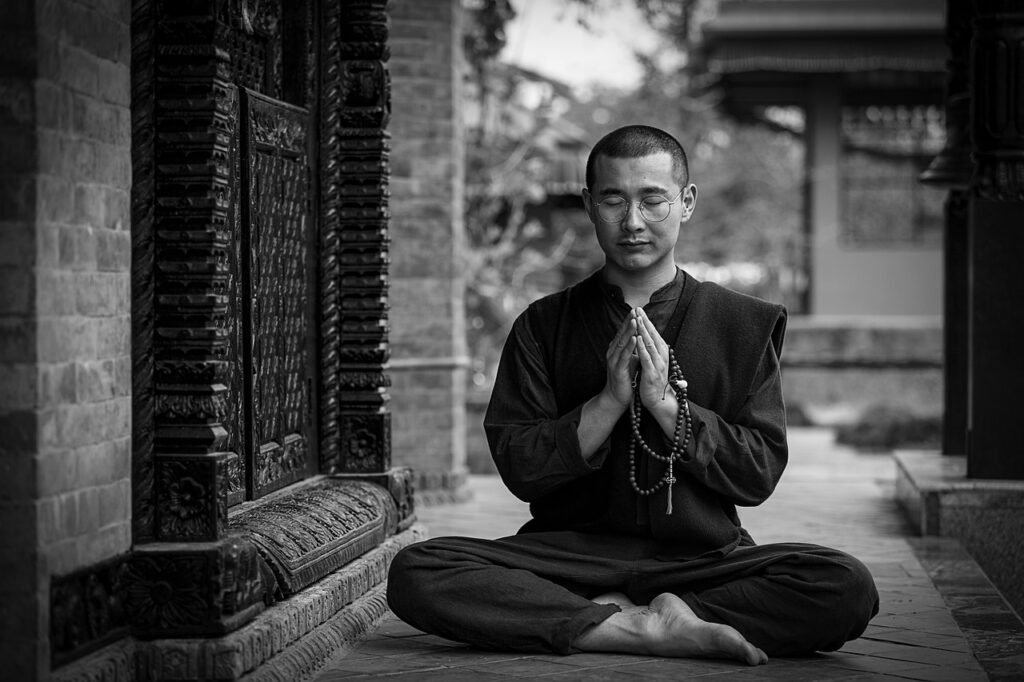
Purchase The ‘Purpose, Meaning & Spirituality’ EBook
How Purpose, Meaning & Spirituality Interact
These three concepts overlap and reinforce each other: purpose often provides the “what” and “how,” meaning provides the “why,” and spirituality can supply a framework or experience that makes both feel coherent. When aligned, they can produce resilience, motivation, and satisfaction in the face of challenges.
Why They Matter for Your Well-being
Having a clear sense of purpose and meaning consistently shows benefits for mental health, stress management, and even physical longevity. Spiritual practices and a sense of connectedness are also linked to lower anxiety, improved coping, and a stronger sense of belonging.
Sources of Purpose and Meaning
You can find purpose and meaning in many domains, and understanding those sources helps you identify where your energy best aligns. Below is a compact table showing common sources and examples you can reflect on.
| Domain | Examples |
|---|---|
| Relationships | Parenting, partnership, caregiving, friendship |
| Work & Contribution | Career projects, volunteering, advocacy |
| Creativity & Craft | Art, writing, building, musical expression |
| Learning & Growth | Education, personal development, curiosity |
| Nature & Environment | Conservation, outdoor activities, stewardship |
| Belief & Spirituality | Religious practice, meditation, ethical frameworks |
| Community & Culture | Civic engagement, cultural preservation, mentoring |
Spend time noticing which of these domains regularly energize you and which feel draining or obligatory.

Common Spiritual Paths and Practices
Spirituality can take many forms, and you can usually adapt practices to fit your beliefs and lifestyle. Below is a practical table of common paths, typical practices, and the benefits people often report.
| Path/Approach | Typical Practices | Reported Benefits |
|---|---|---|
| Religious Traditions | Ritual, prayer, communal worship | Structure, community, moral guidance |
| Contemplative/Monastic | Meditation, silence, retreats | Inner calm, deep focus, clarity |
| Humanistic/Existential | Reflection, meaning-making, ethical action | Self-authorship, integrity, purpose |
| Nature-based | Ecotherapy, wilderness time, seasonal rituals | Grounding, awe, ecological connection |
| Service-oriented | Volunteering, mentorship, charitable work | Altruism, community belonging, meaning |
| Creative/Expressive | Art-making, performance, storytelling | Flow, self-expression, integration |
Use what fits: you don’t need to sign up for a label to get the benefits.
How to Find Your Purpose
Finding purpose is rarely a single moment of revelation; it’s more often an iterative process that involves experimenting, reflecting, and refining. The steps below are practical and designed for you to implement immediately.
- Clarify your values. Write down what matters most to you and why. Values act as a compass and help you judge whether an activity aligns with your purpose.
- Identify your strengths. List skills and qualities where you feel competent and energized. Purpose often lives at the intersection of passion and ability.
- Review meaningful moments. Look back at times when you felt fulfilled and engaged. Ask what was present in those moments: who, what, and why.
- Set small, aligned goals. Start with short-term projects that reflect your values and strengths. Small wins build confidence and reveal what truly resonates.
- Test and refine. Treat purpose as a hypothesis: try things, notice reactions, and adjust your direction based on real experience.
Exercises to Clarify Meaning
Practical exercises can speed up clarity by forcing focused reflection and action. These activities are simple and can be incorporated into daily routines.
- Journaling prompts. Spend 10–20 minutes daily answering prompts such as “What energized me today?” and “What felt pointless today?” Keep noticing patterns across weeks.
- Life story review. Map your life in phases and highlight turning points, relationships, and achievements. Ask what threads run through the story.
- The “What if I failed?” test. Imagine trying something meaningful and failing; notice whether fear or the lost possibility of the attempt matters more to you.
- Mortality reflection. Consider how limited time shapes priorities; often this clarifies what you truly value and shifts attention away from trivial concerns.
- Values sorting. Create a list of values and rank them. Use the top 5 as decision filters for how you spend time.
These exercises are meant to be repeated. Your answers will change as your life grows.

Daily Spiritual Practices
Daily rituals can anchor meaning and maintain spiritual health even in busy lives. You don’t need a long routine—small consistent practices yield strong cumulative effects.
- Short meditation or breath practice. Five to fifteen minutes of focused breathing or awareness can center your mind and increase clarity.
- Gratitude check-ins. Note three things you appreciate each day; this habit increases your sensitivity to positive meaning.
- Intentional morning ritual. State a short intention for the day that aligns with your values to guide actions and choices.
- Mindful pauses. Integrate short moments of presence before meetings, meals, or transitions to maintain alignment with deeper purpose.
- Acts of kindness. Small, deliberate help to others fosters connection and reinforces the meaning in everyday interactions.
Try one or two practices for a month and notice the difference in your sense of coherence.
Overcoming Obstacles
You’ll encounter roadblocks: meaning crises, burnout, grief, or conflicting expectations. Recognizing common obstacles helps you navigate them more skillfully.
- Burnout and over-commitment. When everything meaningful becomes exhausting, scale back and prioritize. Rest is not a betrayal of purpose—it’s a resource for sustaining it.
- Loss of meaning after life changes. If a job, relationship, or role ends, you may feel directionless. Use transition time to reassess values and test new roles.
- Cultural or familial pressure. You might inherit expectations that don’t match your inner values. Distinguish what’s externally demanded from what truly resonates.
- Existential anxiety. Questions of meaning can trigger anxiety or depression. Slow reflection, community, and sometimes professional support can ease the process.
You don’t have to resolve all doubts immediately. Treat uncertainty as data and a prompt for curiosity rather than a failing.
Measuring Purpose and Meaning
If you want to track changes in your sense of purpose scientifically or practically, validated tools exist and can offer insight. Below is a simple table summarizing commonly used measures and what they assess.
| Measure | What It Assesses | Typical Use |
|---|---|---|
| Meaning in Life Questionnaire (MLQ) | Presence of and search for meaning | Tracking increases in perceived meaning |
| Purpose in Life (PIL) scale | Overall sense of life purpose and direction | Clinical and research assessments |
| Life Engagement Test (LET) | Engagement in valued activities | Behavioral alignment with values |
| Ryff’s Scales of Psychological Well-Being | Purposefulness, autonomy, relationships | Broad wellbeing assessment |
| Brief Multidimensional Measure of Religiousness/Spirituality (BMMRS) | Spiritual and religious domains | Linking spirituality with health outcomes |
Use these tools cautiously; they can help you see trends but won’t replace reflective insight.

Purpose Across the Lifespan
Your sense of purpose evolves as you move through life stages, shaped by roles, responsibilities, and changing capacities. Each phase has different common challenges and opportunities.
- Young adulthood. Many people test identities, careers, and relationships. This phase is suited to exploration and skill-building.
- Midlife. You may reassess priorities and seek deeper alignment, sometimes prompting career pivots or shifts in family focus.
- Later life. Purpose often centers on legacy, mentorship, and savoring relationships; some find renewed meaning through community contribution.
- Retirement and transitions. These periods can be fertile for reinventing purpose if you give yourself time and permission to try new paths.
Knowing typical patterns helps you normalize shifts and act proactively during transitions.
Integrating Purpose into Work and Relationships
Purpose need not be divorced from your daily responsibilities; integration is the goal. You can shape work and relationships to reflect what matters most to you.
- At work, ask how roles contribute to a broader mission or how tasks could be adjusted to align with values. Negotiate responsibilities that fit your strengths.
- In relationships, articulate needs and contributions honestly. Purposeful connections are reciprocal and grounded in shared values.
- Use micro-goals to align daily tasks with larger aims so that small actions build toward meaningful outcomes.
Consistent small adaptations often create a sense of congruence between what you do and who you want to be.
Spirituality Without Religion
If you’re not religious, you still can cultivate spiritual depth and meaning in other ways. Secular spirituality emphasizes connection, ethics, and experiences of awe without requiring belief in the supernatural.
- Practices include mindfulness, contemplative arts, community service, and ecological engagement. These can produce moral clarity and deep belonging.
- You can cultivate rituals that mark transitions or create meaning without adopting specific dogma. Intentional routines provide structure and symbolic significance.
The key is intentionality: rituals and practices are meaningful because you invest them with significance.

When to Seek Professional Help
Sometimes questions about meaning link to mental health challenges that need professional care. It’s wise to seek help if you notice persistent impairment, intense hopelessness, or inability to function.
- Signs include prolonged inability to get out of bed, severe anxiety about purpose, or thoughts of self-harm. These require immediate professional or crisis resources.
- Therapeutic approaches like meaning-centered therapy, acceptance and commitment therapy (ACT), and narrative therapy can specifically target purpose and existential concerns.
- Spiritual directors, chaplains, and pastoral counselors can help if your questions are primarily spiritual; choose professionals with appropriate training and fit.
Reaching out is a practical and courageous step toward clarity and healing.
Creating a Sustainable Spiritual Life
Sustainability means practices and structures you can maintain over years, not an intense but short-lived sprint. A sustainable spiritual life is adaptable, community-informed, and balanced with daily responsibilities.
- Build habits you enjoy rather than ones you force. Joy sustains practice better than guilt.
- Cultivate community. Belonging reinforces disciplines and offers corrective perspectives.
- Set boundaries. Protect your time for spiritual and reflective activities so they don’t get squeezed out by urgencies.
Review your practice annually and adapt as life changes; flexibility is part of sustainability.
Common Myths and Misconceptions
You may believe myths that make the search for purpose harder. Naming the myths helps you move past them and engage more realistically with your spiritual life.
- Myth: Purpose is fixed and you either have it or you don’t. Reality: Purpose is often constructed and can evolve.
- Myth: Purpose must be grand and public. Reality: Small, daily contributions can be deeply meaningful.
- Myth: Spirituality means abandoning reason. Reality: Spiritual life often includes reflection, ethics, and critical thinking.
- Myth: You must “figure it all out” before acting. Reality: Purpose often emerges through action and refinement.
Let go of perfection and favor honest experimentation.
Final Practical Plan: 30-day Purpose & Spirituality Program
If you want tangible progress quickly, a structured 30-day program can build momentum. The plan below gives weekly focuses so you can form habits and gain clarity without overwhelm.
| Week | Focus | Daily/Weekly Actions |
|---|---|---|
| Week 1: Values & Awareness | Clarify what matters | Daily journaling (10–15 min); values sorting; gratitude list |
| Week 2: Strengths & Interests | Identify capacities and passions | Strengths inventory; try one new activity; reflect on energy levels |
| Week 3: Small Experiments | Test potential purposes | Launch a small project or volunteer activity; track enjoyment and impact |
| Week 4: Integration & Ritual | Create sustainable practices | Design a short daily ritual; set 3-month goals; invite a supporter |
This 30-day plan prioritizes learning over correctness and is intended to reveal what feels alive rather than produce a final answer.
Sample Daily Schedule for the Program
A modest daily schedule stabilizes practice without taking over your life. Below is an example you can adapt.
- Morning (5–15 min): Intention setting and 3 gratitude items.
- Midday (5 min): Mindful pause or breath practice.
- Evening (10–20 min): Journaling prompt from the week plus review of one meaningful moment.
- Weekly (1–2 sessions): Try a new activity, meet with a mentor, or participate in a community event.
Consistency matters more than length. Short daily rituals compound into meaningful changes.
Resources: Books, Apps & Podcasts
If you want tools and guidance beyond this article, the following resources are practical and widely used. Pick what resonates and test for a few weeks.
| Type | Resource | What It Offers |
|---|---|---|
| Book | Man’s Search for Meaning (Viktor Frankl) | Classic on meaning through suffering and choice |
| Book | The Power of Meaning (Emily Esfahani Smith) | Clear, research-informed guide to meaning sources |
| Book | The Road to Character (David Brooks) | Reflection on moral formation and purpose |
| App | Headspace or Insight Timer | Guided meditations for presence and spiritual practice |
| App | 7 Cups or BetterHelp | Access to counselors and support for existential concerns |
| Podcast | On Being (Krista Tippett) | Conversations about meaning, spirituality, and ethics |
| Podcast | The Happiness Lab | Research-backed insights into wellbeing and meaning |
Use these selectively; too many inputs can create confusion rather than clarity.
Case Examples (Brief)
Real-life examples may help you see how others shaped their purpose and spirituality. Each story is simplified to highlight key steps you can emulate.
- The mid-career teacher who shifted to community education after a burnout revealed that stepping back and testing volunteer roles helped clarify what she loved about teaching.
- A recent retiree who felt adrift began mentoring young people and discovered renewed purpose through shared learning and storytelling.
- A new parent who feared losing identity set small daily rituals—ten-minute morning reflections and monthly community service—to balance caretaking with self-expression.
These examples show that gradual, intentional moves can change lived experience.
Questions to Ask Yourself Regularly
Checking in with structured questions helps you stay aligned and notice changes. Try these prompts once a week.
- What activity this week made me feel most alive and why?
- What drained me and how can I adjust exposure to it?
- Which relationship feels most meaningful and how am I cultivating it?
- What small step can I take next week to express my values?
Keep answers short and actionable to avoid paralysis by analysis.
How to Talk About Purpose with Others
Discussing purpose sometimes feels vulnerable, yet sharing can deepen relationships and create accountability. Use clear language and invite curiosity.
- Use “I” statements. Describe what matters to you rather than prescribing others’ paths.
- Ask questions. Invite other people to share their experiences; mutual sharing builds trust.
- Set boundaries. You don’t have to justify your commitments; simple explanations often suffice.
Conversations about purpose often lead to shared projects and mutual support.
Ethical and Cultural Considerations
Purpose and spirituality are shaped by culture and community, so be mindful of diversity and power dynamics when you act. Your sense of purpose should not harm others or be used to justify harm in the name of a goal.
- Honor cultural practices that inform spiritual life, and avoid appropriating rituals without respect.
- Check privileges and assumptions that could blind you to others’ needs or perspectives.
- Seek consent and collaborate when engaging communities different from your own.
Ethical practice deepens meaning rather than diluting it.
Tracking Progress Without Pressure
You want to notice growth without creating rigid performance metrics that drain joy. Use mixed methods to track change.
- Qualitative notes. Short weekly reflections about satisfaction and energy are often more informative than numbers.
- Simple metrics. Track days you did a practice or small outcomes tied to goals; use them as feedback rather than as judgments.
- Periodic reviews. Every three months, reassess values and adjust goals to reflect new insight.
Treat tracking as a friendly mirror, not a harsh judge.
Closing Thoughts
You don’t have to choose a single grand purpose to live meaningfully; smaller commitments, daily practices, and ongoing curiosity will guide you well. The important thing is to experiment, be compassionate with yourself during uncertainty, and build habits that keep you connected to what matters.
If you try the 30-day program or any of the exercises above, notice what shifts and what remains. Over time, those small shifts accumulate into a life that feels more coherent, grounded, and aligned with your deepest values.