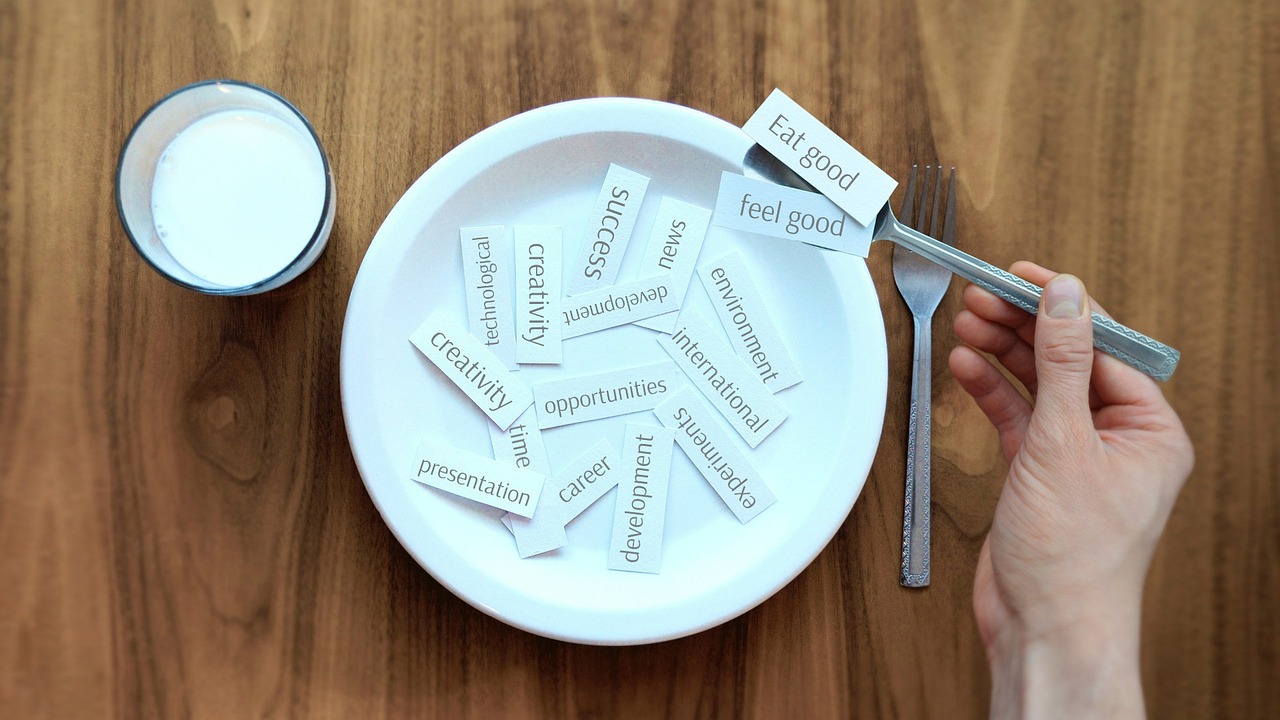
Have you ever noticed that after a heavy, sugary meal you feel sluggish and unmotivated, or that a balanced breakfast seems to make it easier to focus and get things done?
Buy The Nutrition & Mood Guide
55. How Does Nutrition Affect My Mood And Motivation?
You might assume mood and motivation are mostly about willpower or circumstances, but what you eat plays a major, measurable role. This article breaks down how food and nutrients influence your brain chemistry, energy stability, gut health, and daily habits — all of which shape how you feel and what you’re willing to do.
How food becomes feelings: a quick overview
You don’t simply digest calories and move on. The nutrients in your meals become building blocks and messengers that affect brain function, hormone balance, and energy availability. When these systems run well, you’re more likely to feel upbeat, focused, and motivated. When they’re off, you might notice irritability, fatigue, low drive, or anxiety.
Purchase The Mood & Motivation Meal Plan
The brain’s biochemistry: neurotransmitters and precursors
Your mood and motivation are heavily influenced by neurotransmitters — chemical messengers in the brain. Many of these are made from components in the food you eat.
- Serotonin helps regulate mood and calmness; it’s synthesized from the amino acid tryptophan.
- Dopamine supports motivation, reward, and focus; it’s made from the amino acid tyrosine (derived from protein intake).
- Norepinephrine helps with alertness and energy; it’s also tied to tyrosine.
- GABA promotes relaxation and reduces anxiety; it’s influenced by certain amino acids and nutrients.
How nutrients feed neurotransmitters
You need both raw materials (amino acids) and cofactors (vitamins and minerals) for neurotransmitter synthesis. For example, to make serotonin from tryptophan you also need B6, B3, and magnesium. To convert tyrosine to dopamine you need iron, copper, and vitamins.
Table: Key neurotransmitters, precursors, and cofactors
| Neurotransmitter | Main dietary precursor(s) | Important cofactors | Effect on mood/motivation |
|---|---|---|---|
| Serotonin | Tryptophan (protein) | Vitamin B6, B3, magnesium, folate | Mood stabilization, calmness, sleep regulation |
| Dopamine | Tyrosine / phenylalanine (protein) | Iron, copper, vitamin B6, folate | Motivation, reward, focus |
| Norepinephrine | Dopamine → norepinephrine | Vitamin C, iron, copper | Alertness, energy, stress response |
| GABA | Glutamate (amino acid balance) | Vitamin B6, magnesium | Relaxation, reduced anxiety |
Blood sugar: energy stability matters for mood
Your brain needs a steady supply of glucose. When blood sugar spikes and crashes after high-sugar or refined-carb meals, you can experience mood swings, irritability, fatigue, and poor concentration — all of which reduce motivation.
- Rapid glucose rises trigger insulin spikes; subsequent drops can make you feel tired or moody.
- Protein, fiber, and healthy fats slow digestion and stabilize blood sugar, leading to more even energy and more consistent motivation.
Table: Meal composition and likely short-term effects on mood/energy
| Meal components | Typical immediate effect | Mood/motivation impact |
|---|---|---|
| High refined carbs/sugars (e.g., donuts, soda) | Quick energy spike → crash | Short-lived focus, later slump, irritability |
| Balanced meal (protein + fiber + healthy fat) | Steady energy release | Sustained focus, stable mood, better motivation |
| High-fat, low-fiber heavy meal | Slower digestion, possible lethargy | Reduced alertness, lower drive |
| Skipped meal | Low blood glucose | Irritability, poor concentration, decreased motivation |

The gut-brain axis: your microbiome talks to your mood
Your gut isn’t just for digestion — it communicates with your brain through neural, hormonal, and immune pathways. A diverse, balanced microbiome produces metabolites (like short-chain fatty acids) and even neurotransmitter precursors that can influence mood.
- Beneficial bacteria help maintain gut lining integrity and reduce inflammation; chronic gut inflammation is linked with low mood.
- Probiotic-rich foods and prebiotic fibers feed helpful microbes and can positively affect anxiety and depressive symptoms in some people.
Practical gut-friendly choices
You’ll help your microbiome by eating a variety of fiber-rich vegetables, fruits, legumes, and whole grains, plus fermented foods like yogurt, kefir, sauerkraut, or kombucha (if they agree with you). Limiting overly processed foods and unnecessary antibiotics also supports healthier gut-brain signaling.
Key nutrients that affect mood and motivation
Certain vitamins, minerals, and fatty acids consistently appear in research linking diet to mental well-being. You’ll benefit most by getting these nutrients from whole foods, with supplementation where necessary and under professional guidance.
Table: Nutrients, their roles, food sources, and mood effects
| Nutrient | Role in brain/mood | Food sources | Mood/motivation effects |
|---|---|---|---|
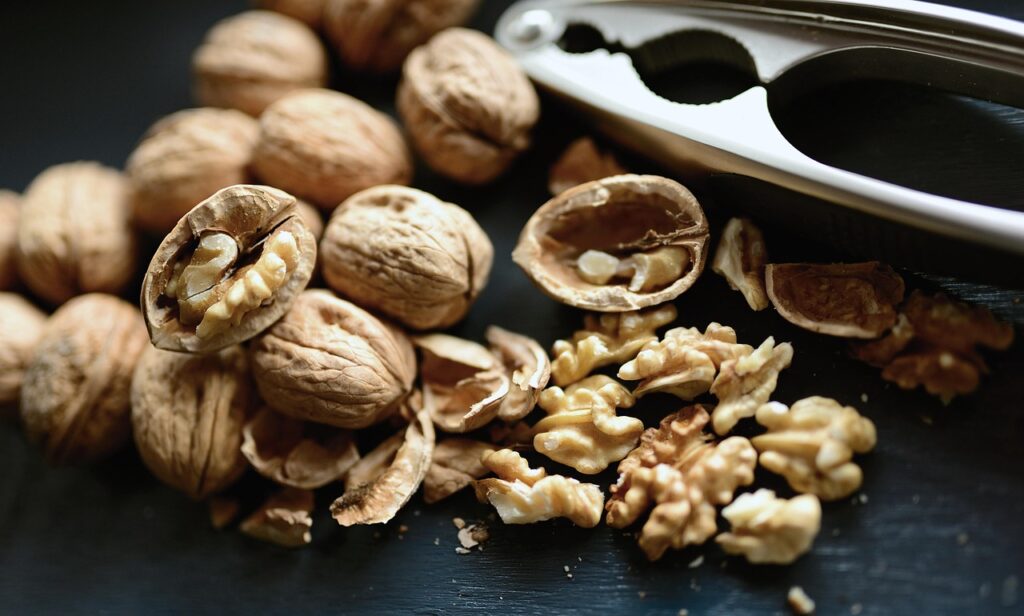
| Omega-3 fatty acids (EPA/DHA) | Cell membrane fluidity, anti-inflammatory, neurotransmission | Fatty fish (salmon, mackerel), flax, chia, walnuts, algae oil | Improved mood, reduced depression risk, better cognitive function |
| Vitamin D | Neurotransmitter synthesis, anti-inflammatory | Sunlight, fatty fish, fortified milk, eggs | Low levels linked to low mood and fatigue |
| B vitamins (B6, B9/folate, B12) | Cofactors for neurotransmitter synthesis and energy metabolism | Whole grains, legumes, leafy greens, eggs, meat | Low levels can cause low mood, fatigue, poor motivation |
| Magnesium | Enzyme cofactor, relaxant, NMDA regulation | Leafy greens, nuts, seeds, legumes, whole grains | Improves sleep, reduces anxiety, supports motivation |
| Iron | Oxygen transport, dopamine synthesis | Red meat, poultry, beans, spinach, fortified cereals | Deficiency → fatigue, low motivation, poor concentration |
| Zinc | Neurotransmitter regulation, immune health | Oysters, meat, dairy, legumes, nuts | Deficiency linked to depression and apathy |
| Antioxidants (vitamin C, E, carotenoids) | Combat oxidative stress | Fruits, vegetables, nuts, seeds | Protects brain health, supports mood stability |
Protein and amino acids: foundation for motivation
Protein supplies amino acids that become neurotransmitters. You need regular protein intake to stabilize mood and support focus. Try to include a source at each meal and snack to avoid dips in neurotransmitter precursors.
- Breakfast with protein (eggs, Greek yogurt, tofu) helps you feel more alert and motivated than a carb-only breakfast.
- Plant proteins and animal proteins both work; combine complementary plant proteins during the day to ensure amino acid completeness.
Fats matter: omega-3s and brain cell health
Your brain is about 60% fat; the types of fat you eat affect cell membrane function and signaling.
- Omega-3s (EPA/DHA) support mood and reduce inflammation. Low intake is associated with higher rates of depression.
- Trans fats and an imbalanced omega-6 to omega-3 ratio can promote inflammation and may negatively affect mood.
Hydration, caffeine, and alcohol: quick modulators
Hydration and common beverages have immediate and obvious effects on mood and motivation.
- Dehydration of even 1–2% of body weight can impair cognition and increase irritability.
- Caffeine can improve alertness and motivation, but too much or timing it later in the day can disturb sleep, ultimately reducing mood and drive.
- Alcohol is a depressant; it might temporarily lower inhibitions, but it disrupts sleep and neurotransmitter balance and can worsen mood and motivation over time.
Guidelines for beverages
You should aim to drink consistently throughout the day, limit excessive caffeine (and avoid late-day caffeine), and moderate alcohol consumption. Replace some caffeinated and alcoholic drinks with water, herbal tea, or low-sugar alternatives.
Meal timing and frequency: finding what works for your brain
There’s no one-size-fits-all. Some people do best with three balanced meals and snacks; others prefer smaller, more frequent meals. The common goal is to prevent extreme hunger and large blood sugar swings.
- Regular meals give your brain steady fuel, making it easier to maintain motivation for tasks.
- If you practice intermittent fasting, monitor mood and energy carefully — some thrive, others notice decreased motivation or higher irritability.
Foods that help vs. foods that hinder
Knowing which foods tend to boost mood and which ones can hurt it helps you make daily choices that support motivation.
Table: Foods that support mood and motivation vs. foods to limit
| Supportive foods | Why they help | Foods to limit | Why they can harm |
|---|---|---|---|
| Fatty fish, walnuts, chia | Omega-3s reduce inflammation, support brain function | Sugary drinks, candy | Cause blood sugar crashes and inflammation |
| Lean protein, eggs, legumes | Provide amino acids and satiety | Refined carbs (white bread, pastries) | Rapid glucose spikes and crashes |
| Leafy greens, beans, berries | Folate, fiber, antioxidants | Trans fats, processed foods | Promote inflammation, impair neurotransmission |
| Yogurt, kefir, sauerkraut | Probiotics support gut-brain axis | Excess alcohol | Disrupts sleep and neurotransmitters |
| Whole grains, oats | Stable energy, B vitamins | Energy drinks (high caffeine + sugar) | Jitters then crash, sleep disruption |
Food sensitivities and inflammation
Some people notice mood changes related to specific food sensitivities (e.g., gluten, dairy) or chronic low-grade inflammation. If you suspect a sensitivity, track food and mood, and consider working with a clinician for elimination testing. Reducing inflammatory foods and improving diet quality often improves mood.
Supplements: when they help and when to be cautious
Supplements can fill gaps, but they’re not magic pills. Use them to complement a good diet and under guidance when possible.
- Omega-3 supplements (especially higher EPA) show benefit in some people with depression.
- Vitamin D supplementation can help if you’re deficient.
- B complex may support energy and mood if you have low levels.
- Iron supplementation helps when iron-deficiency anemia is present, but excess iron is harmful — test first.
- Probiotics may help some people’s mood, but effects are strain-specific and variable.
Always check interactions with medications and aim for tested, quality supplements.
Sample daily eating plan to support mood and motivation
A practical example helps you translate principles into action. This is a sample — adjust for preferences, allergies, and calorie needs.
Table: Sample day and why it helps
| Time | Meal | Example | Why it supports mood/motivation |
|---|---|---|---|
| Breakfast | Protein + whole grain + healthy fat | Greek yogurt with berries, walnuts, and a sprinkle of oats; or scrambled eggs with spinach + whole-grain toast | Protein and fiber stabilize blood sugar; omega-3s and greens supply anti-inflammatory nutrients and B vitamins |
| Mid-morning snack | Protein + fiber | Apple with almond butter | Prevents blood sugar dip and maintains focus |
| Lunch | Balanced plate | Grilled salmon, quinoa, roasted vegetables, mixed greens | Omega-3s, protein, fiber, micronutrients for sustained energy |
| Afternoon snack | Small protein/fat | Hummus with carrot sticks; or a small handful of nuts | Keeps energy steady so motivation for late-day tasks stays high |
| Dinner | Light, nutrient-dense | Stir-fry with tofu or chicken, lots of vegetables, brown rice | Prevents heavy lethargy while providing nutrients for overnight repair |
| Evening | Optional small snack | Cottage cheese or herbal tea | Protein at night can support sleep; avoid caffeine and alcohol |
Practical strategies you can use starting now
You don’t need a perfect diet to see benefits. Small, consistent changes build momentum and improve mood and motivation over weeks.
- Prioritize protein at breakfast. It helps set the tone for your day.
- Add a serving of fatty fish or a plant-source omega-3 daily or several times weekly.
- Increase vegetable and fruit intake to boost antioxidants and fiber.
- Replace sugary snacks with whole-food alternatives that include protein or fat.
- Drink water regularly and cut back on late-day caffeine.
- Plan meals so you don’t skip them — set reminders if needed.
- Keep a food-and-mood log for 2–4 weeks to find patterns that affect you personally.
How to track what works for you
Personal response varies. Track these elements to find the best approach for your mood and motivation:
- What you ate, when, and how much
- Sleep quality and duration
- Energy and mood ratings (morning, midday, evening)
- Productivity or ability to finish tasks
- Any digestive symptoms
Review weekly to spot helpful changes, and be prepared to adjust meal composition, timing, and supplements accordingly.
Lifestyle factors that amplify nutritional effects
Nutrition works in context. Sleep, exercise, social connection, and stress management all interact with diet to shape mood and motivation.
- Good sleep enhances neurotransmitter restoration and makes dietary changes more effective.
- Regular exercise boosts dopamine and serotonin and synergizes with nutrition to improve mood.
- Managing stress helps you make better food choices instead of reaching for emotional eating patterns that undermine motivation.
When to seek professional help
If you’re experiencing persistent low mood, loss of motivation that affects daily functioning, or symptoms of clinical depression or anxiety, consult a healthcare professional. Nutrition can help, but severe or persistent conditions often require a combination of therapy, medication, and lifestyle changes.
- See your primary care provider or a mental health professional for assessment.
- Ask for blood tests if you suspect nutrient deficiencies (e.g., vitamin D, B12, iron).
- Work with a registered dietitian if you want personalized nutrition guidance.
Common questions you might have
- Will fixing my diet immediately cure low mood? Nutrition is powerful but often gradual. Many people feel improvements within weeks, but complex mood disorders may need additional treatments.
- Are there quick fixes? Avoid expecting one food or supplement to be a miracle. Small consistent habits produce the best results.
- Is cutting out sugar enough? Reducing added sugar helps, but balanced meals with protein, healthy fats, fiber, and key micronutrients are crucial for sustained mood and motivation.
Evidence summary: what science says
Clinical evidence supports links between diet quality and mental health. Observational studies consistently associate high-quality diets (Mediterranean-style, rich in vegetables, legumes, fish, whole grains) with lower rates of depression. Randomized trials show benefits for omega-3s, vitamin D (if deficient), and higher-quality overall diets in improving depressive symptoms. The gut microbiome is an active area of research with promising but still-developing clinical applications.
A checklist you can use today
- Ensure a protein source at each meal.
- Add at least one serving of omega-3–rich food most days.
- Eat a variety of colorful vegetables and fruits daily.
- Choose whole grains over refined grains.
- Limit sugary drinks and processed snacks.
- Stay hydrated and monitor caffeine timing.
- Track food and mood for a few weeks to identify personal triggers and boosters.
- Seek testing for nutrient deficiencies if you feel persistently low.
Closing thoughts
You have more control over your mood and motivation through nutrition than you might think. By prioritizing steady energy sources, essential nutrients, a healthy microbiome, and good hydration, you’ll give your brain the biochemical support it needs to feel energized and motivated. Small, consistent changes often lead to meaningful improvements — and pairing better nutrition with sleep, movement, and stress management amplifies the benefits.
If you want, you can start with one simple step today: add a protein-based item to your next breakfast and notice how your attention and drive feel in the hours that follow.