
Have you ever wondered whether your ability to understand and manage emotions is something you’re born with or something you can actively improve?
39. Can EQ Be Learned, Or Is It An Innate Personality Trait?
You’ll read through evidence, mechanisms, and practical steps so you can decide how much of emotional intelligence (EQ) you can actually change. This article will balance what science says with actionable guidance that helps you take control of your emotional skills.
Buy The Companion Guide To Can EQ Be Learned?
What is Emotional Intelligence (EQ)?
EQ refers to your capacity to perceive, understand, manage, and use emotions in yourself and others. You’ll find that it covers both inner skills (like self-awareness) and outward skills (like social interaction).
Why EQ matters
Your emotional intelligence affects relationships, decision-making, stress management, and workplace performance. You’ll notice it shows up everywhere from daily conversations to high-stakes leadership moments.

Purchase The EQ Development Course
Components of EQ
Understanding the components will help you know which skills you can work on. Below are the commonly agreed components and what each means for your behavior.
Self-awareness
Self-awareness means recognizing your emotions and how they shape your thoughts and behavior. You’ll be better at making intentional choices when you can label and reflect on what you feel.
Self-regulation
Self-regulation is your ability to manage impulses, adapt to changing circumstances, and stay composed under pressure. You’ll benefit from recognizing triggers and choosing responses rather than reacting automatically.
Motivation
Motivation here refers to your inner drive to achieve goals, persistence, and optimism. You’ll find motivation helps you maintain focus through setbacks and keeps you aligned with longer-term values.
Empathy
Empathy is the ability to understand others’ emotions and perspectives, and respond appropriately. You’ll strengthen relationships and reduce conflicts by noticing nonverbal cues and validating feelings.
Social skills
Social skills involve communication, conflict management, influence, and building networks. You’ll handle teamwork and leadership more effectively when you can read social dynamics and respond constructively.
EQ vs IQ
EQ and IQ are distinct but complementary. You’ll see IQ predicts cognitive tasks while EQ predicts social and emotional functioning; both contribute to real-world success.
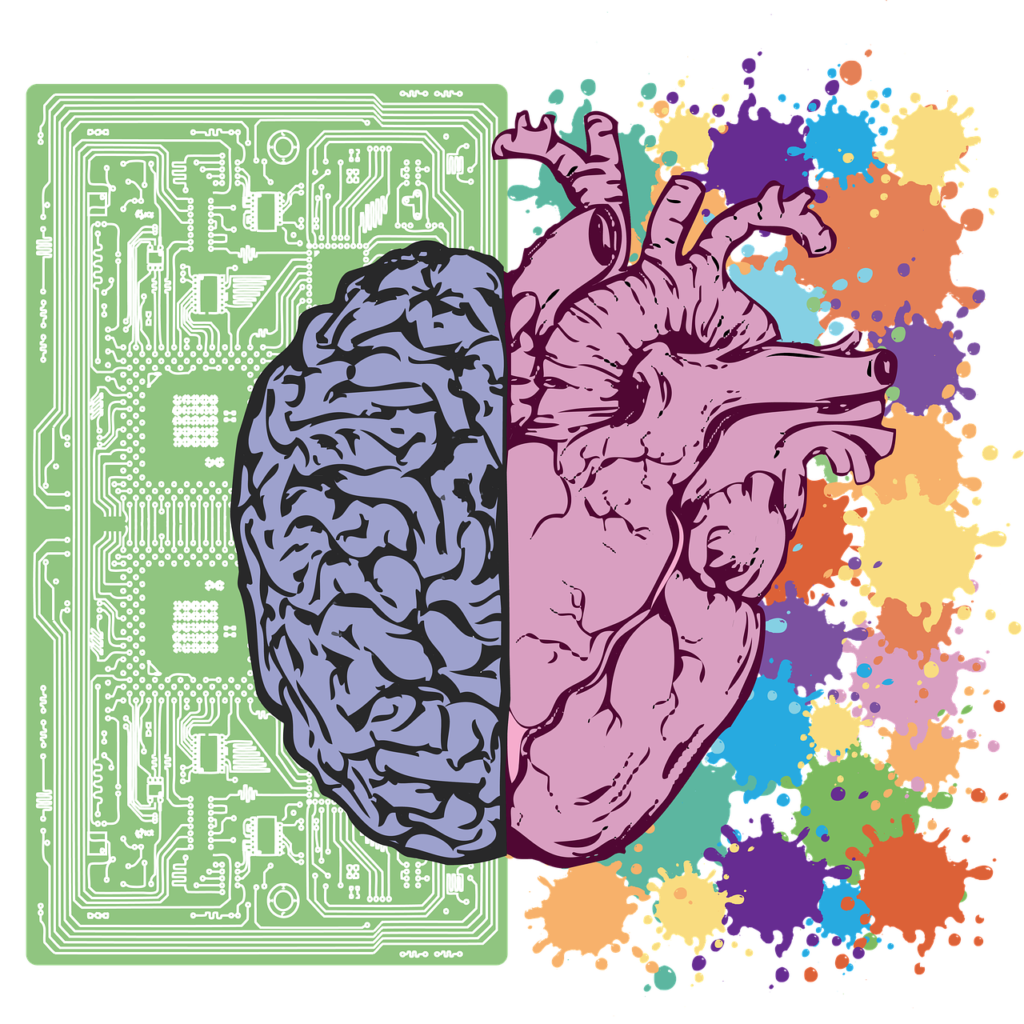
Nature or Nurture: The Evidence
You’re likely wondering whether EQ is innate, learned, or both. The scientific picture is mixed: there are biological predispositions, but experience and training shape EQ substantially.
Genetic and biological influences
Some temperament traits—like reactivity and baseline emotional sensitivity—have genetic components. You’ll notice these predispositions can make certain EQ skills easier or harder to develop initially.
Early temperament and attachment
Early caregiving and attachment patterns influence how you regulate emotions and relate to others. You’ll carry forward patterns learned in childhood, but they’re not always fixed for life.
Neuroplasticity and brain development
The brain remains plastic well into adulthood, allowing you to form new emotional habits and neural pathways. You’ll be able to alter how you process emotional information through consistent practice.
Can EQ be learned? The scientific consensus
Most researchers agree that EQ is not purely fixed; it is malleable to varying degrees. You’ll find that targeted interventions—training, therapy, and real-life practice—produce measurable improvements in EQ.

Mechanisms that allow EQ to change
If EQ can be learned, how does that learning occur? You’ll benefit from knowing the processes so your efforts are more effective.
Neuroplasticity
Repeated emotional practices strengthen new neural circuits and weaken old reactive patterns. You’ll see gradual change when you consistently repeat healthier responses to emotions.
Learning through social experience
Interacting with diverse people gives you feedback and opportunities to refine emotional responses. You’ll grow when you practice empathy and receive corrective signals in safe contexts.
Emotion regulation training
Techniques like cognitive reappraisal and stress-reduction practices teach you to alter emotional responses. You’ll be able to shift your emotional tone and reduce automatic reactivity with practiced strategies.
Feedback and reflective practice
Feedback—whether from mentors, coaches, or trusted peers—helps you calibrate how others perceive your emotional behavior. You’ll improve faster when you reflect on interactions and adjust deliberately.
Practical ways you can improve your EQ
You don’t need to wait for innate talent to change: concrete practices can help. Below are approaches grouped by focus area, each with a short explanation so you can pick what fits your life.
Mindfulness and attention training
Mindfulness enhances moment-to-moment awareness of feelings and impulses. You’ll improve self-awareness by training your attention to notice emotions as they arise rather than being consumed by them.
Cognitive reappraisal and reframing
Reappraisal changes how you interpret events, which changes your emotional response. You’ll feel less overwhelmed by reframing challenges as opportunities or by questioning automatic negative interpretations.
Active listening and empathy practice
Practice listening without interrupting and summarizing what you hear to confirm understanding. You’ll build empathy and stronger rapport when others feel heard and understood.
Social skill practice and role-play
Role-playing difficult conversations helps you prepare emotionally and behaviorally. You’ll gain confidence and new interaction patterns by rehearsing responses in low-risk settings.
Emotional journaling
Writing about emotional experiences helps you organize and reflect on feelings. You’ll notice patterns, triggers, and progress when you journal regularly about how situations made you feel and why.
Coaching and therapy
A coach or therapist can provide tailored feedback and structured practice for emotional habits. You’ll accelerate change when someone helps you see blind spots and holds you accountable.
Training programs and courses
Formal programs teach skills like conflict resolution, negotiation, and emotional regulation. You’ll progress more smoothly with curricula that combine theory, practice, and feedback.

Table: EQ components and practical exercises
| EQ Component | Practical Exercises | Typical Time to Notice Change |
|---|---|---|
| Self-awareness | Mindfulness, journaling, mood tracking | 4–8 weeks |
| Self-regulation | Breathing techniques, reappraisal, pauses | 4–12 weeks |
| Motivation | Goal-setting, values clarification, small wins | 4–16 weeks |
| Empathy | Active listening, perspective-taking exercises | 6–12 weeks |
| Social skills | Role-play, feedback sessions, networking practice | 8–20 weeks |
You’ll find that timeframes vary by intensity and consistency of practice.
Measuring EQ and tracking progress
You’ll want ways to see whether your efforts are working. Combining formal assessments with practical tracking methods gives you the best picture.
Formal assessments
Tools like MSCEIT, EQ-i, and other inventories offer structured scores on EQ dimensions. You’ll get useful baselines, but remember most self-report measures are influenced by your self-perception.
Informal tracking and feedback
Keeping a journal, soliciting feedback from colleagues or friends, and rating specific behaviors after interactions helps you track improvement. You’ll notice trends faster when you focus on measurable behaviors—like interruptions per conversation or calming strategies used under stress.

Barriers and why change can be slow
You may want quick change, but several barriers slow progress. Understanding these barriers will help you plan realistic timelines and avoid frustration.
Personality and resistance
Some personality traits, like high extraversion or low agreeableness, can make certain EQ skills more challenging. You’ll still be able to adapt, but you may need to work around or leverage your natural tendencies.
Mental health and trauma
Anxiety, depression, and unresolved trauma can make emotional regulation and social engagement harder. You’ll benefit from addressing underlying mental health concerns with professional help before expecting rapid EQ improvements.
Environment and social context
Workplaces or communities that reward emotional suppression or hostility will limit your ability to practice new behaviors. You’ll need to either change your environment or practice selective disclosure and micro-skills that work within constraints.
When EQ may have limits
While you’ll be able to change many aspects of EQ, some baseline tendencies are more resistant. You won’t necessarily erase deep-seated temperamental styles, but you can learn strategies that compensate or channel them productively.
How to prioritize which EQ skills to work on
You can’t work on everything at once, and prioritization helps you see results. You’ll do better focusing on the skills that give the highest payoff in your personal and professional life.
Assess your context and goals
Look at your daily stressors, relationship challenges, and career goals to identify target skills. You’ll tailor training that produces visible improvement where it matters most.
Start with high-impact, low-effort wins
Pick skills that are relatively easy to practice and yield immediate benefits—like active listening or a daily pause before responding. You’ll gain momentum through small wins that build confidence.
A sample 12-week plan to grow your EQ
You’ll find structured plans help hardwire new habits. Below is a simple roadmap with weekly focuses and practices that build on each other.
- Weeks 1–2: Build awareness with mindfulness and journaling. You’ll track emotions and triggers to create a baseline.
- Weeks 3–4: Practice self-regulation techniques like breathing and reappraisal. You’ll experiment with pausing before reacting.
- Weeks 5–6: Work on empathy through listening exercises and perspective-taking. You’ll role-play difficult conversations.
- Weeks 7–8: Strengthen social skills using feedback and small social challenges. You’ll apply skills in real interactions.
- Weeks 9–10: Integrate motivation and goal-setting to sustain change. You’ll align emotional work with meaningful goals.
- Weeks 11–12: Review progress, solicit 360-degree feedback, and set maintenance routines. You’ll plan ongoing practice to prevent relapse.
You’ll adapt the timeline based on your starting point and the complexity of the skills you choose.
EQ in leadership and the workplace
Your emotional intelligence influences team dynamics, morale, and productivity. You’ll see leadership effectiveness rise when you lead with emotional awareness and communication clarity.
For leaders
Leaders who show empathy and self-regulation foster trust and psychological safety. You’ll be more persuasive and resilient when you model emotional competence and create environments where others can grow.
In teams
Teams with members who have strong EQ handle conflict better and collaborate more effectively. You’ll notice fewer misunderstandings and more constructive problem-solving when emotional skills are distributed across the group.
Coaching, training, and organizational programs
Organizations often run EQ training with mixed results—content matters, and so does implementation. You’ll get the best ROI from programs that include practice, feedback, and management reinforcement.
Myths and misconceptions
There are common myths that can stop you from trying to improve EQ. You’ll benefit from separating fact from fiction so your efforts are well-directed.
Myth: EQ is fixed at birth
This is false; EQ has both innate and learned elements. You’ll be able to change many emotional habits despite early life influences.
Myth: EQ means being overly nice
EQ is not about always pleasing others; it’s about emotional awareness and appropriate responding. You’ll find that assertiveness and empathy often go hand-in-hand when used skillfully.
Myth: Training EQ is just soft-skill fluff
Evidence shows targeted training can change behavior and outcomes. You’ll see real improvements in stress management, leadership, and interpersonal effectiveness when programs are rigorous and practiced.
When to get professional help
If trauma, chronic mental health conditions, or deep relational problems block your progress, professional help can be essential. You’ll make faster, safer changes with therapists or coaches who are trained to handle complex emotional issues.
Tools and apps you can use
There are many tools that help you practice and measure EQ-related skills. You’ll get value from apps for mindfulness, journaling, mood tracking, and structured coaching platforms that provide practice and feedback.
How to keep progress sustainable
Change sticks when you turn practices into routines and integrate them into your identity. You’ll maintain gains by scheduling regular reflection, seeking ongoing feedback, and practicing skills in varied real-life contexts.
Quick checklist you can follow this week
You’ll see improvement if you take a few small steps regularly. Use this checklist as a practical start:
- Spend 5–10 minutes daily on mindfulness or breathing.
- Journal one emotional experience each evening and note what triggered it.
- Practice active listening in one conversation per day.
- Try cognitive reappraisal once when you feel a strong negative emotion.
- Ask one person for specific feedback about an interaction.
You’ll notice how small, consistent efforts compound into meaningful changes.
Summary and final thoughts
EQ is partly influenced by your biology and early experiences, but it is far from fixed. You’ll be able to improve major aspects of emotional intelligence through deliberate practice, feedback, and sometimes professional support.
You’ll probably find that some components take longer to shift than others, and that environmental constraints can slow your progress. Still, with a structured plan—mindfulness, reflection, skills practice, and social feedback—you’ll be able to increase your emotional competence and enjoy better relationships, resilience, and effectiveness in many areas of life.
If you want, tell me one specific emotional challenge you face and I’ll suggest a focused 4-week practice plan you can start tomorrow.