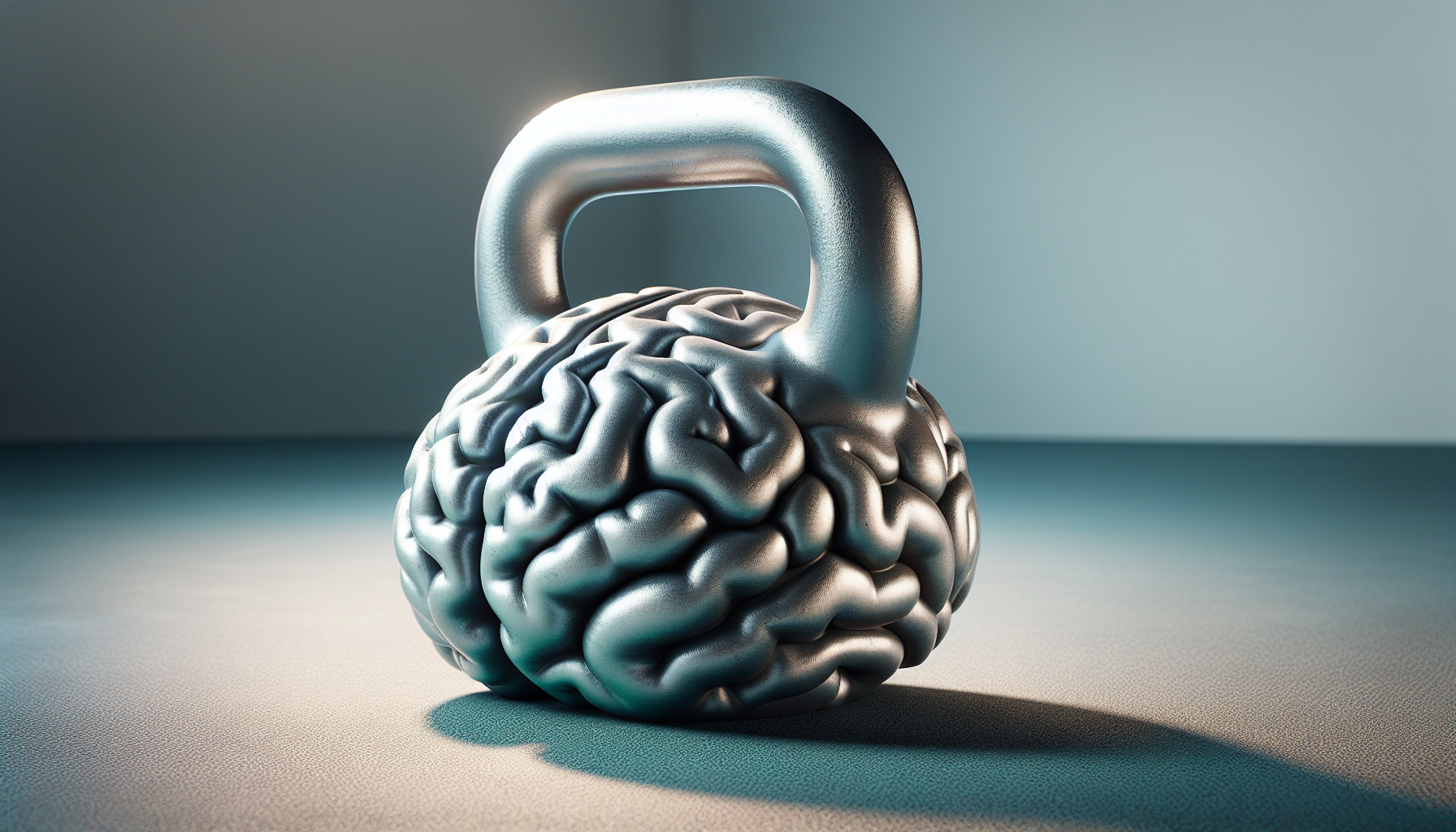
?How much better could your thinking get if you made physical fitness a regular part of your life?
Buy The Full Article: How Does Physical Fitness Impact Cognitive Performance?
51. How Does Physical Fitness Impact Cognitive Performance?
This question has been asked by athletes, students, parents, and older adults alike. You’ll find that the relationship between physical fitness and cognitive performance is strong, multi-faceted, and backed by a growing body of research.
Why this matters to you
Your brain is not isolated from the rest of your body — what you do physically reverberates mentally. Whether you want to improve focus at work, boost learning, protect against age-related decline, or simply feel mentally sharper day-to-day, your physical fitness can play a vital role.
What we mean by “physical fitness” and “cognitive performance”
You’ll want clear definitions before you apply this information.
- Physical fitness: This covers aerobic capacity (cardiorespiratory fitness), muscular strength and endurance, flexibility, balance, and body composition. Different components produce different effects on the brain.
- Cognitive performance: This includes attention, processing speed, memory (working and long-term), executive functions (planning, inhibition, task switching), and learning capacity.
Treat fitness and cognition as overlapping systems — improvements in one often benefit the other.

Purchase The In-depth Guide On Physical Fitness And Cognitive Performance
Key mechanisms linking physical fitness to cognitive outcomes
Understanding mechanisms helps you apply exercise in ways that are most likely to help your brain.
Increased cerebral blood flow and oxygen delivery
When you exercise, your heart pumps more blood, and your brain gets more oxygen and nutrients. This acute boost improves attention and reaction time right after activity, and chronic improvements in vascular health support long-term brain function.
Neurotrophic factors: BDNF, IGF-1, and others
Exercise increases production of brain-derived neurotrophic factor (BDNF) and insulin-like growth factor 1 (IGF-1). These molecules support neuroplasticity — the brain’s ability to form new connections — which aids learning and memory. You benefit most when exercise is regular rather than sporadic.
Neurogenesis and synaptic plasticity
Aerobic exercise, especially over weeks and months, stimulates the growth of new neurons in the hippocampus, a region crucial for memory. That means consistent cardio can literally help your brain grow new cells and strengthen synapses.
Reduced inflammation and oxidative stress
Chronic inflammation and oxidative damage harm neurons and accelerate cognitive decline. Regular physical activity lowers inflammatory markers and improves antioxidant defenses, protecting your brain over time.
Improved metabolic and cardiovascular health
Better insulin sensitivity, lower blood pressure, and healthier cholesterol from regular exercise reduce vascular contributions to cognitive impairment. This lowers your risk of conditions that can impair brain health, like stroke and vascular dementia.
Hormones and stress regulation
Exercise regulates cortisol and increases endorphins and dopamine, improving mood and reducing stress and anxiety. Because stress impairs attention and memory, better stress regulation means better cognitive performance.
Acute vs. chronic effects: what to expect
You’ll notice both immediate and long-term cognitive benefits from physical activity — but they work differently.
Acute effects (minutes to hours)
After a single moderate exercise session you’ll likely experience improved alertness, faster processing speed, and better mood for a few hours. Short bouts (10–30 minutes) can boost your performance on attention and executive function tests right away.
Chronic effects (weeks to years)
With consistent exercise over weeks and months, you’ll see longer-lasting improvements in memory, executive function, and processing speed. Structural brain changes — increased hippocampal volume and improved white matter integrity — develop over sustained training.
Which cognitive functions benefit most?
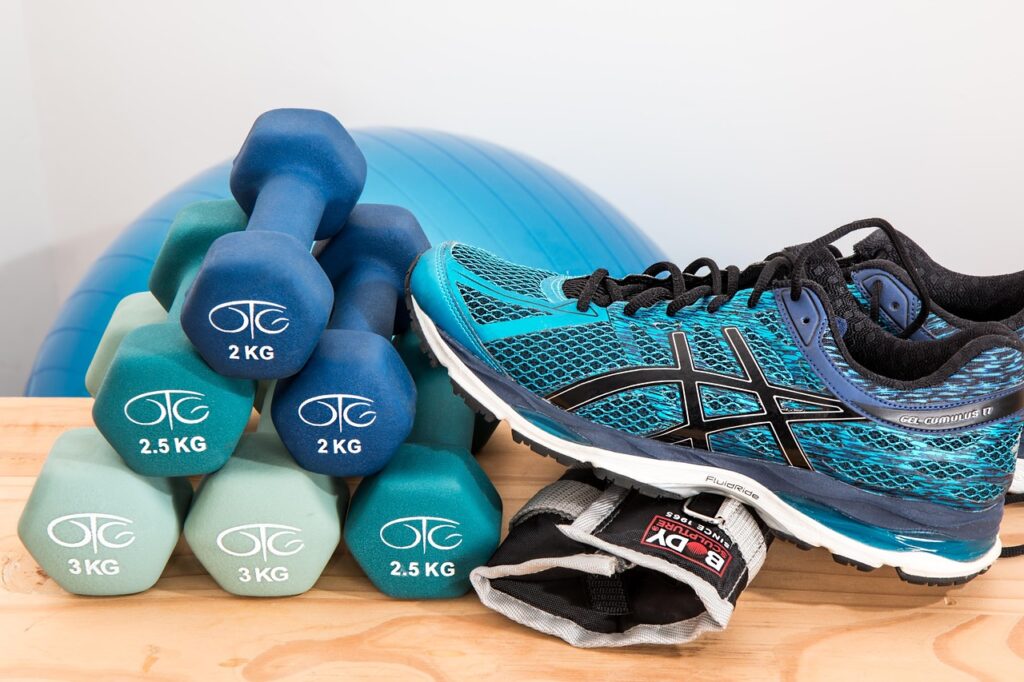
You don’t get identical gains across all cognitive domains. Knowing the strongest effects helps you prioritize training for your goals.
| Cognitive Domain | Typical Effect from Regular Exercise | Practical implications for you |
|---|---|---|
| Executive functions (planning, inhibition, task switching) | Moderate to strong improvements | Better multitasking, decision-making, and self-control |
| Attention and processing speed | Small to moderate, often immediate gains | Faster information processing and improved focus |
| Working memory | Moderate improvements with combined aerobic + strength | Better short-term manipulation of information |
| Long-term memory (episodic) | Moderate improvements, linked to hippocampal changes | Improved learning and recall over time |
| Motor-cognitive skills | Strong improvements for coordination tasks | Better hand-eye coordination and procedural learning |
| Creativity and divergent thinking | Mixed but sometimes positive | Enhanced idea generation after moderate exercise |
Types of exercise and their cognitive effects
Different forms of exercise produce different benefits. You’ll get the most comprehensive gains by combining types.
Aerobic (cardio) exercise
Running, cycling, brisk walking, swimming, rowing — these boost BDNF, improve vascular health, and support hippocampal neurogenesis. Aerobic training is especially effective for memory and executive function.
Resistance (strength) training
Lifting weights or using resistance bands supports cognitive function through hormonal pathways (IGF-1), improved insulin sensitivity, and increased muscle-derived factors that influence the brain. Strength training is associated with better executive function and working memory.
High-intensity interval training (HIIT)
Short bursts of high-intensity activity followed by rest or low-intensity periods can produce both acute and chronic cognitive benefits. HIIT may be particularly efficient when you’re short on time, but it can be more stressful and may not be ideal if you have certain health conditions.
Balance, coordination, and skill-based training
Activities like yoga, tai chi, dance, and sports demand motor-cognitive integration and can improve attention, working memory, and executive function. They also reduce fall risk and improve quality of life, especially for older adults.
Flexibility and mobility work
While flexibility alone has smaller direct cognitive effects, it supports overall training capacity and reduces injury risk, enabling you to maintain fitness routines that benefit cognition.

Dose-response: how much exercise do you need?
You’ll want a practical plan. Here’s a summary table to help.
| Goal | Frequency | Intensity | Duration | Comments |
|---|---|---|---|---|
| General cognitive health | 3–5 times/week | Moderate (brisk walk) | 30–60 min/session | Meet ≥150 min moderate aerobic/week |
| Memory & executive improvements | 3–5 times/week | Moderate to vigorous | 30–60 min/session | Combine aerobic + 2 strength sessions/week |
| Time-efficient benefits | 2–3 times/week | HIIT (vigorous) | 15–30 min/session | Good short-term boosts; ensure recovery |
| Older adult neuroprotection | 3–5 times/week | Moderate | 30–45 min/session | Include balance and strength training |
| Children & adolescents | Daily activity | Moderate | ≥60 min/day play/structured | Improves attention and school performance |
Guidelines from major health organizations align with these recommendations: aim for at least 150 minutes of moderate aerobic activity or 75 minutes of vigorous activity weekly, plus strength training twice weekly.
Special populations: tailoring fitness for cognitive benefits
Your age, health status, baseline fitness, and goals shape the ideal plan.
Children and adolescents
Physical activity supports attention, classroom behavior, learning, and academic achievement. Encourage daily play, sports, and structured aerobic activities, aiming for at least 60 minutes of moderate to vigorous activity each day.
Young and middle-aged adults
You can use a mix of aerobic, resistance, and skill-based activities to boost executive function and processing speed — useful for work productivity and learning new skills.
Older adults
You’ll gain benefits in memory, executive function, and fall prevention. Prioritize aerobic exercise, resistance training to preserve muscle mass, and balance training. Even starting later in life offers meaningful cognitive resilience.
People with cognitive impairment or dementia
Exercise can slow cognitive decline and improve mood and daily functioning. Tailor programs to safety and capacity, focusing on moderate aerobic and resistance exercises and supervised group sessions when possible.
People with medical conditions
If you have cardiovascular disease, diabetes, arthritis, or other chronic conditions, work with healthcare professionals to design safe, effective exercise regimens. Many conditions benefit cognitively from tailored exercise.
How to measure outcomes: what to track
You’ll get more motivated and can adjust plans when you track measurable outcomes.
Fitness measures
- VO2 max or submaximal aerobic tests
- Resting heart rate and heart rate recovery
- 1-rep max or strength tests for major muscle groups
- Body composition and flexibility tests
Cognitive measures
- Standardized tests for attention, working memory, and executive function (e.g., digit span, Stroop, trail-making)
- Reaction time and processing speed tasks
- Self-report scales for mood, sleep, and perceived cognition
- Functional assessments for older adults (e.g., activities of daily living)
Brain imaging and biomarkers
If you have access, neuroimaging (MRI, fMRI) shows structural changes; blood markers can show inflammatory status or BDNF levels. These are more for research or clinical settings.
Practical strategies to maximize cognitive gains
You’ll get better results if you plan intentionally.
Combine aerobic and resistance training
Both forms contribute uniquely to cognition. Aim for aerobic sessions most days and resistance training 2–3 times per week.
Prioritize consistency over intensity
Regular moderate exercise often yields better and more sustainable cognitive benefits than sporadic extreme workouts.
Time exercise strategically
You may benefit from exercising before periods when you need high cognitive performance (e.g., study sessions or work tasks) because acute exercise enhances attention and creativity.
Add cognitively engaging elements
Complex motor tasks, learning new movement patterns, or combining physical activity with cognitive challenges (dual-task training) can amplify benefits to executive function.
Use variety and progression
Keep your program stimulating and progressively challenging to maintain neuroplastic adaptations.
Focus on recovery and sleep
Exercise improves sleep, which in turn supports learning and memory consolidation. Ensure adequate rest, hydration, and nutrition.
Sample weekly plans
Here are practical templates you can adapt based on time and fitness.
Moderate schedule (good for most adults)
- Monday: 40 min brisk walk or light jog (aerobic)
- Tuesday: Strength training (full body) 45 min
- Wednesday: 30 min cycling + 10 min balance/mobility
- Thursday: Rest or gentle yoga 30 min
- Friday: 40 min aerobic (intervals: 4 x 4 min at higher intensity)
- Saturday: Sport or dance class 60 min (skill-related)
- Sunday: Active recovery walk 30 min + stretching
Time-efficient (if you’re busy)
- Monday: HIIT 20 min (warm-up + 10–15 min intervals)
- Tuesday: Strength training 30 min (compound lifts)
- Thursday: HIIT or circuit 20–30 min
- Saturday: 45 min moderate aerobic (bike or run)
- Daily: 10 minutes of mobility and balance
Older adult focused
- Monday: 30 min brisk walk + 15 min balance exercises
- Tuesday: Strength training (bands/bodyweight) 30–40 min
- Wednesday: Tai chi or dance class 45 min
- Thursday: Rest or gentle stretching 20 min
- Friday: 30 min aerobic (pool walking or cycling)
- Saturday: Social activity with light physical component (garden, walk)
- Sunday: Rest
Barriers and how to overcome them
You’ll run into obstacles; plan for them.
- Time constraints: Break activity into short bouts (10–15 minutes) throughout the day.
- Motivation lapses: Use buddies, classes, or technology (apps, trackers) to stay accountable.
- Physical limitations: Work with professionals to adapt exercises; focus on what you can do safely.
- Boredom: Vary activities and include social or skill-based elements.
- Lack of knowledge: Use beginner programs or certified trainers to start safely.
Safety considerations
Exercise is powerful but must be safe.
- Get medical clearance if you have significant health issues.
- Warm up and cool down to prevent injury.
- Progress gradually in intensity and volume.
- Use proper technique for resistance training.
- Monitor for overtraining signs: persistent fatigue, poor sleep, irritability, reduced performance.
Synergy with other lifestyle factors
Your brain benefits most when you combine exercise with other healthy habits.
Nutrition
Adequate protein supports muscle adaptations, while omega-3s, antioxidants, and a Mediterranean-style diet support brain health. Pair exercise with balanced meals to optimize results.
Sleep
You’ll consolidate the learning and recovery benefits of exercise during sleep. Aim for consistent, quality sleep.
Cognitive training and learning
Physical exercise and targeted cognitive training can be synergistic, especially for executive function and memory.
Social engagement
Group exercise provides social stimulation, which benefits mood and cognition.
Common myths and misconceptions
You’ll want to separate fact from fiction.
- Myth: Only intense exercise helps the brain. Reality: Moderate regular activity provides substantial benefits; intensity can enhance but isn’t required.
- Myth: Strength training doesn’t affect cognition. Reality: Resistance work boosts executive function and metabolic health important for the brain.
- Myth: Benefits only apply to young people. Reality: People of all ages benefit, and starting later still helps.
- Myth: You need hours a day for gains. Reality: Even 20–30 minutes most days is meaningful.
Evidence highlights you should know
Studies consistently show that aerobic and resistance training improve executive functions, memory, and processing speed. Longitudinal research links higher midlife fitness with lower dementia risk later. Randomized trials show exercise improves attention and mood acutely. Together these findings offer robust support for using fitness to support cognition.
When to expect noticeable change
You’ll often see immediate improvements in attention and mood after a single session. Meaningful changes in memory, executive function, and structural brain measures typically require several weeks to months of consistent training. Stick with programs for at least 8–12 weeks to evaluate cognitive gains.
How to personalize your approach
Your baseline fitness, schedule, and goals determine the best plan.
- If you’re new: Start slowly, focus on building habit (3 days/week), and include walking and bodyweight strength work.
- If you’re pressed for time: Use HIIT and short strength sessions.
- If you need mood and stress relief: Prioritize aerobic sessions and incorporate mindful movement like yoga.
- If your main goal is memory: Emphasize aerobic training with at least moderate intensity and include strength work.
Frequently asked questions
Will exercise prevent dementia?
Exercise reduces risk factors and is associated with lower dementia risk, but it’s not a guaranteed prevention. It’s one of the most effective modifiable behaviors to lower your risk when combined with diet, sleep, and cognitive engagement.
Is there an optimal age to start?
Any age is a good age to start. Earlier is better for cumulative benefits, but starting in midlife or older still provides meaningful improvements and resilience.
How soon after exercise will my thinking improve?
Acute improvements can appear within minutes to hours after a session and typically last several hours. For lasting structural and functional changes, expect weeks to months of consistent exercise.
Can exercise replace cognitive training?
They complement each other. Exercise enhances the brain’s plasticity, making cognitive training more effective, but it doesn’t fully replace task-specific cognitive practice.
Tracking progress and staying motivated
You’ll maintain momentum by monitoring both objective and subjective markers.
- Keep a simple log for workouts and mood/cognition ratings.
- Use periodic fitness assessments (e.g., time trials, strength tests).
- Re-test cognitive tasks or use productivity measures at work or school.
- Celebrate small milestones and vary your routine to keep it engaging.
Final practical checklist to get started today
- Schedule: Block out 3–5 sessions per week on your calendar.
- Mix: Include both aerobic and strength components.
- Time: Aim for 30–60 minutes per session, or shorter HIIT sessions when needed.
- Progress: Increase intensity or duration gradually every 2–4 weeks.
- Support: Find a training partner, coach, or class for accountability.
- Recovery: Prioritize sleep, hydration, and nutrition.
Summary
You’ll find that physical fitness does much more than change how you look or move — it reshapes how you think, remember, and regulate emotions. Through increased blood flow, neurotrophic factors, reduced inflammation, and improved metabolic health, exercise builds a brain that’s more flexible, resilient, and efficient. Whether you’re a student trying to learn more effectively, a professional managing demanding cognitive tasks, or an older adult protecting your independence, consistent physical activity is one of the best investments you can make in your cognitive health.
Start with realistic goals, choose activities you enjoy, and make fitness a regular part of your life — your brain will thank you in both the short and long term.