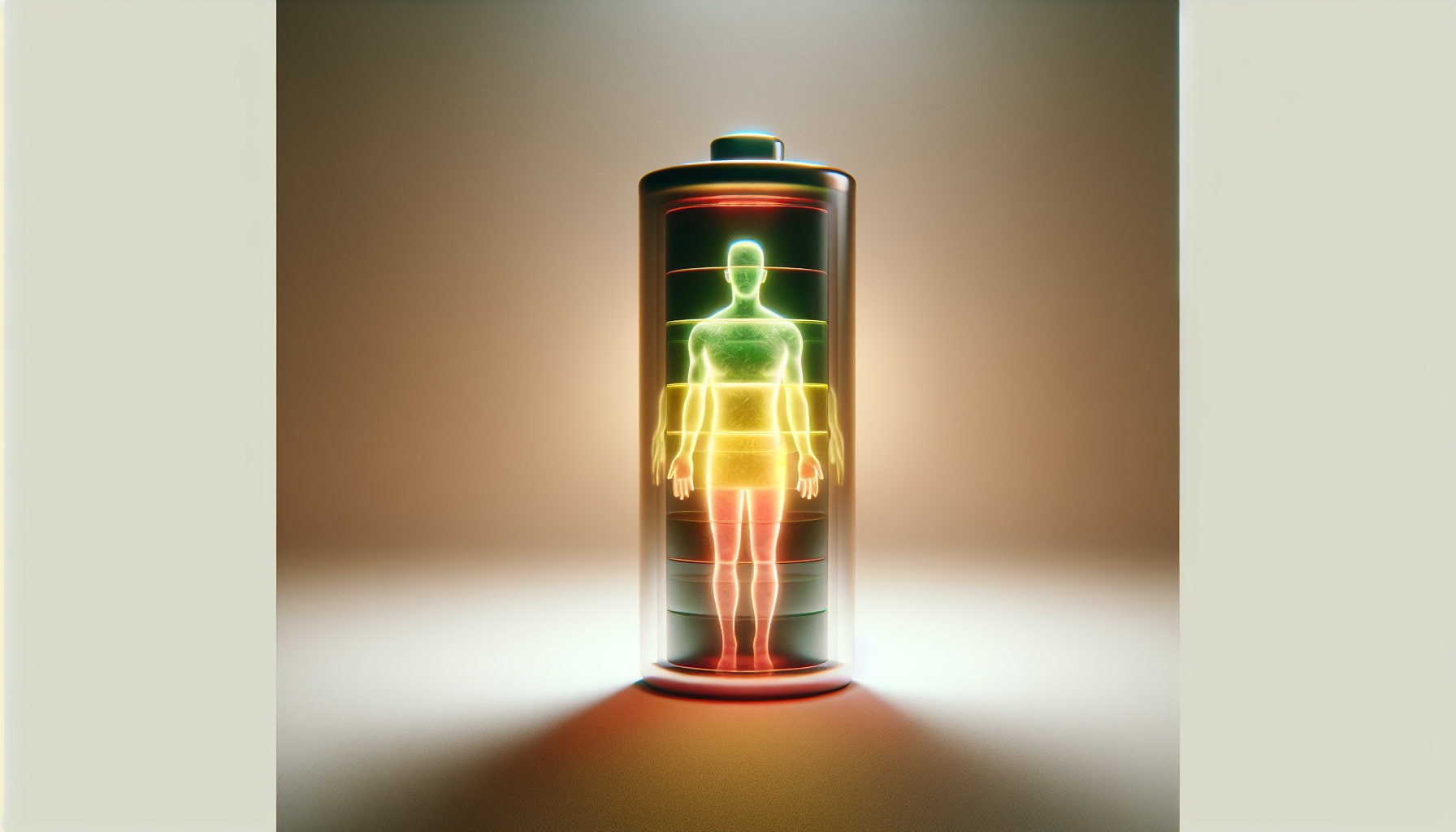
Have you ever wondered why crossing items off your to-do list doesn’t always leave you feeling productive, energized, or satisfied?
Buy The Full Guide To Managing Energy, Not Time
28. How Do I Manage My Energy Levels Instead Of Just My Time?
You often treat time like the scarce resource you must ration, but your actual ability to perform comes from energy. When you learn to manage energy — not just minutes on a calendar — you’ll get more done, feel better during the day, and avoid the burnout that comes from treating yourself like a machine. This article shows practical ways to shift from pure time management to energy-aware planning.
Why energy management matters more than clock management
Time is fixed; energy fluctuates. You can have plenty of hours and still struggle if your energy is low. When you manage energy, you set yourself up to do demanding work during peak capacity and preserve low-energy periods for recovery or simpler tasks. That alignment improves quality, speed, and well-being.
What you’ll get from this guide
You’ll learn how to assess your energy, plan tasks around natural rhythms, use nutrition and movement to boost performance, design recovery strategies, and create schedules that respect your biological and emotional needs. Everything is practical and adaptable to your lifestyle.
The difference: time management vs energy management
You probably learned to block time, make lists, and schedule meetings. Those techniques matter, but they’re incomplete. Time management answers “when.” Energy management answers “how” and “how well.”
Time management focuses on efficiency
When you manage time, you aim to fit as many tasks as possible into hours using tools like calendars and timers. That helps you avoid procrastination and clutter, but it assumes your capacity stays constant.
Energy management focuses on capacity
Managing energy recognizes that your ability to concentrate, decide, and solve problems changes. It asks which tasks require high focus, creativity, or emotional regulation and places them where your capacity is highest.
Get The Energy Management Toolkit — Purchase Now
Types of energy you need to manage
Energy isn’t only physical. Different kinds of energy contribute to your performance in distinct ways. You’ll get better results by managing each type.
Physical energy
This is your body’s fuel — sleep, movement, and nutrition. Physical energy affects stamina and alertness. When your physical energy is low, your body drags and tasks take longer.
Mental energy
This includes focus, attention, and cognitive clarity. It determines how well you process complex information and solve problems. Mental energy depletes with decision-making and intense concentration.
Emotional energy
Your mood, resilience, and ability to regulate feelings shape emotional energy. Tasks that require diplomacy, persuasion, or motivation draw on emotional resources.
Creative/spiritual energy
This is the sense of meaning, inspiration, and purpose behind what you do. It’s often slower to deplete but essential for sustained motivation and long-term projects.
Start with an energy audit
Before changing habits, understand how your energy currently behaves. An audit helps you recognize patterns and plan around them.
How to run a simple energy audit
For 2 weeks, track three things hourly: your perceived energy level (high/medium/low), dominant type of activity, and any major disruptions. Use a simple notebook, a spreadsheet, or an app. Note sleep quality, meals, caffeine, and mood.
What to look for in audit results
Identify your peak hours, typical energy dips, and triggers that drain or boost energy (e.g., meetings, screens, or fresh air). Patterns guide how you allocate tasks.
Align tasks to energy type and level
Not all tasks are created equal. Match the task’s energy demand with your current capacity to be more effective and less stressed.
Categorize tasks by energy demand
Create three categories: high-energy tasks (deep work, creative projects, critical decisions), medium-energy tasks (analysis, planning, communications), and low-energy tasks (email, admin, routine chores).
Table: Task type vs energy demand
| Task type | Energy demand | Examples |
|---|---|---|
| High | High | Writing reports, strategic thinking, coding, complex problem-solving |
| Medium | Medium | Meetings, planning, editing, moderate analysis |
| Low | Low | Responding to email, filing, simple errands, administrative work |
Use your audit to place tasks
Block your peak energy times for high-demand work. Reserve low-energy windows for routine or restorative activities. If your peaks are in the morning, aim to do deep work then.
Master your biological rhythms
Your circadian rhythm determines natural alertness patterns. Respecting it improves focus and sleep quality.
Know your chronotype
You’re likely a morning person, evening person, or somewhere in between. Track when you feel most alert and try to schedule demanding tasks during those windows. Don’t force a night owl into early mornings if possible; align work around your peak.
Use light and environment to shift rhythms
Bright light in the morning helps wake you up; dimming lights at night signals your body to wind down. Adjust your workspace lighting and exposure to natural light to support your rhythm.
Optimize sleep — the foundation of energy
You can’t manage energy effectively without adequate sleep. Treat sleep as the top performance priority, not a negotiable expense.
Prioritize sleep duration and quality
Aim for consistent sleep windows and enough hours. If 7–9 hours is your range, protect that time. Quality matters: avoid screens before bed, keep the room cool, and have a wind-down routine.
Use sleep hygiene tactics
Limit heavy meals, alcohol, and caffeine before bed. Practice relaxation techniques if racing thoughts keep you awake. Track sleep trends with a journal or wearable to spot patterns.
Nutrition and hydration for sustained energy
What you eat and drink affects energy swings and mental clarity. Use food to support steady performance.
Fuel for steady energy
Prefer balanced meals with protein, healthy fats, and complex carbs. Small, frequent meals or planned snacks help avoid blood sugar crashes that cause afternoon dips.
Caffeine and alcohol — strategic use
Caffeine helps boost focus but can interfere with sleep if consumed too late. Alcohol may make you sleepy initially but reduces sleep quality. Time stimulants and relaxants strategically, and track their effects.
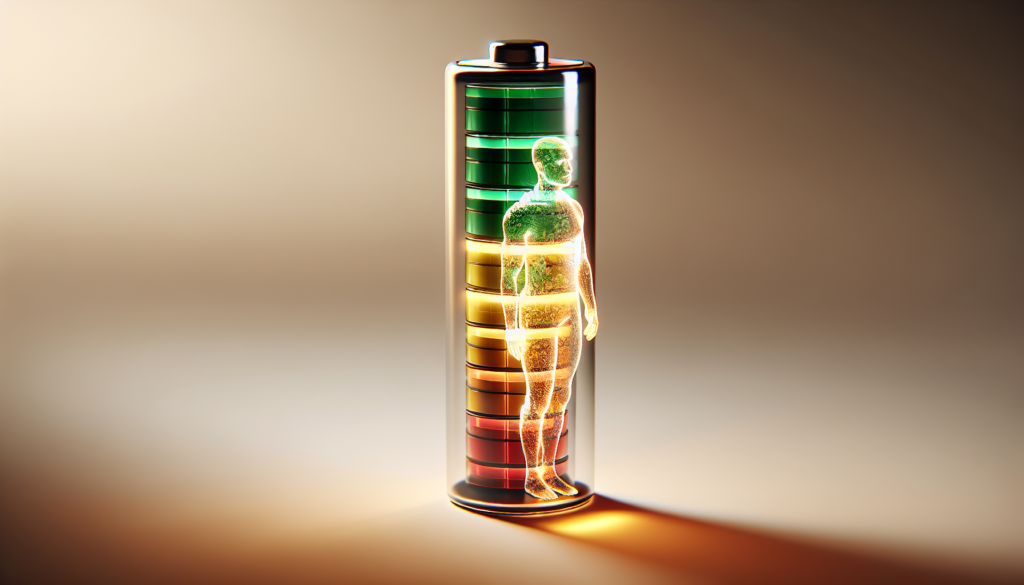
Movement and micro-activity to replenish energy
Sitting all day drains physical and mental energy. Movement breaks can restore circulation, mood, and focus.
Use short movement breaks
A 3–10 minute walk, light stretching, or a few bodyweight exercises every hour or two resets your energy. These micro-breaks help you return to work with better focus.
Schedule longer exercise strategically
Aim for regular exercise most days, but schedule intense workouts away from peak concentration blocks or allow recovery time afterward if they drain you temporarily.
Manage stress to protect emotional energy
Chronic stress erodes emotional and mental energy. Use strategies to reduce baseline stress so you have more capacity for tasks.
Use breathwork and mindfulness
Short breathing exercises or a 5–10 minute mindfulness session can quickly lower stress and restore focus. You don’t need long meditations to benefit.
Boundary setting and workload design
Say no when a task will push you past capacity and negotiate scope or deadlines. Protecting your emotional energy often means removing unnecessary obligations.
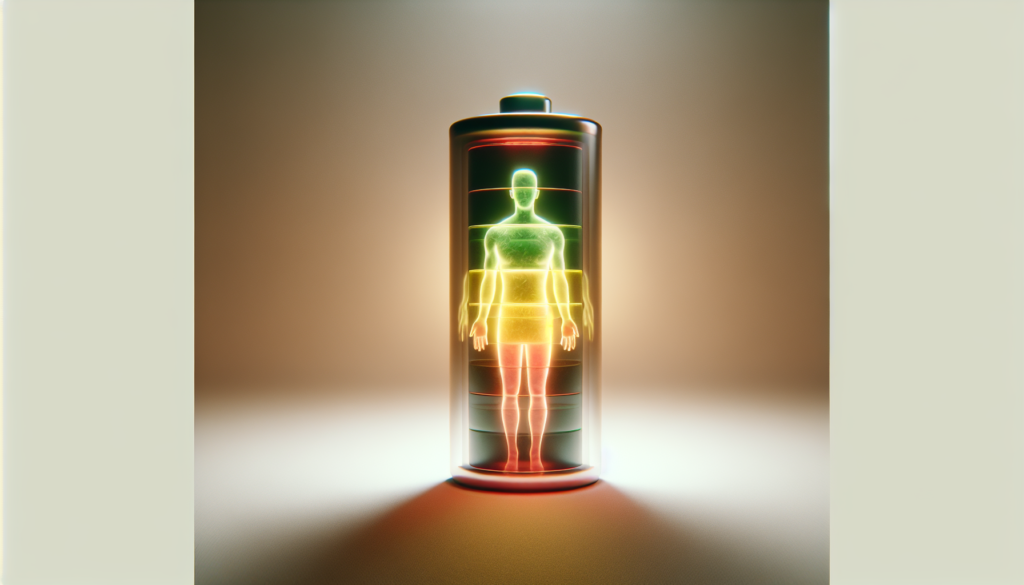
Design an energy-smart daily schedule
Bring everything together by creating a schedule that maps tasks to energy windows and includes recovery periods.
Template for an energy-aligned day
- Morning peak (high energy): Deep work, creative or strategic tasks.
- Midday (medium energy): Meetings, collaborative work, planning.
- Early afternoon (low energy): Lunch, light tasks, short nap or walk if needed.
- Late afternoon (medium-high): Follow-ups, hands-on tasks, less creative but important work.
- Evening (low): Relaxation, light reading, social time, prepare for sleep.
Table: Sample daily plan aligned to energy
| Time | Energy level | Task focus |
|---|---|---|
| 6:00–9:00 | High | Deep work, planning, creative tasks |
| 9:00–11:00 | Medium | Collaborative tasks, calls, emails |
| 11:00–1:00 | Medium-Low | Lunch, light admin, walk |
| 1:00–3:00 | Low | Restorative activity, low-focus tasks |
| 3:00–5:00 | Medium | Project work, follow-ups |
| 5:00–9:00 | Low | Relax, family, hobbies, wind-down |
Use time blocking with energy in mind
Block your calendar not just by task type, but by energy required. Label blocks as “High Focus,” “Collaborative,” or “Recovery” so you and your teammates respect your capacity.
Build rituals to automate energy transitions
Rituals create psychological signals that help you enter and exit work states more easily.
Start-of-work ritual
A brief routine such as a short review of priorities, a glass of water, and a 2-minute stretch primes you for focused work. Rituals conserve mental energy by reducing decision fatigue.
Transition rituals
Use mini-rituals to switch from high-intensity work to meetings or social time — e.g., close your laptop, take three deep breaths, and change location.
Use recovery and micro-rest strategically
You don’t power through; you cycle. Recovery is as important as work.
Techniques for quick recovery
- 10–20 minute power nap when possible.
- 5–10 minute eyes-closed breaks after intense focus.
- Brief walks to change scenery and stimulate circulation.
The Pomodoro method with an energy twist
Use focused sprints (e.g., 50/10 for high-energy tasks, 25/5 for medium-energy tasks) and adapt lengths to your concentration span. Longer sprints work when you are fully resourced.
Environment adjustments to reduce energy leaks
Your physical and virtual environments can either support or sap energy.
Minimize friction
Make tools and spaces easy to use. Keep frequently used items handy, declutter your workspace, and use a second monitor or good lighting to reduce strain.
Reduce decision and friction costs
Pre-arrange outfits, meals, and meeting templates to lower daily decisions that consume mental energy. Use defaults and checklists where possible.
Manage social and cognitive drain
Interactions consume emotional and mental energy. Be deliberate about the people and communications you engage with.
Schedule social energy wisely
Group meetings and demanding conversations during medium-energy windows. Reserve high-energy windows for focused solo work.
Protect your cognitive bandwidth
Batch small decisions and communications into dedicated blocks instead of scattering them. That reduces the constant switching cost.
Saying no and protecting your energy budget
You can’t do everything. Treat energy like money: you have a budget, and spending it wisely matters.
Use a decision framework for commitments
Before agreeing, ask: Is this aligned with my priorities? Will this require high energy? Can it be delegated or rescheduled? If a commitment is low-value and high-cost, say no or negotiate.
Communicate boundaries clearly
Let colleagues and loved ones know your focus hours and recovery times. Use calendar statuses, shared guidelines, or scheduled email times to set expectations.
Tools and metrics for tracking energy
Data helps you make smarter choices. Use simple tools to monitor and optimize.
Useful tools
- Habit trackers or simple spreadsheets for an energy audit.
- Apps for sleep tracking and heart rate variability (HRV) for recovery insights.
- Focus timers and website blockers to protect deep work.
Useful metrics
Track peak focus windows, average energy swings, days with consistent sleep, and number of high-energy tasks completed. Review weekly to adjust.
Weekly and monthly planning for sustainable energy
Your daily systems need periodic attention. Plan at longer intervals to protect energy for significant goals.
Weekly review for energy allocation
At the start of each week, map major tasks to energy windows, plan recovery times, and identify potential stressors. This reduces reactive days and overscheduling.
Monthly check-ins
Review patterns from your energy audit, refine rituals, and adjust workload or lifestyle changes that support sustained energy.
Troubleshooting common problems
Even with a plan, things go wrong. Use practical fixes to get back on track.
If you always feel low energy
Check sleep, nutrition, movement, and stress. If these fundamentals are decent, consider medical check-up for thyroid, vitamin deficiencies, or other health issues.
If you can’t protect focus time
Start small: 25–35 minute blocks and build up. Communicate your needs, and if needed, set up “do not disturb” signals or physical cues like headphones.
If burnout is creeping in
Scale back responsibilities, increase recovery time, and seek professional help if fatigue is chronic. Burnout recovery is about reducing stimuli and restoring meaningful routines.
Sample weekly plan: energy-focused
Here’s an example you can adapt based on your chronotype and job demands.
Table: Example weekly energy plan
| Day | Morning (High) | Midday (Medium) | Afternoon (Low/Medium) | Evening (Recovery) |
|---|---|---|---|---|
| Monday | Deep project work | Team meetings | Admin, follow-ups | Family time, wind-down |
| Tuesday | Creative work | Client calls | Learning, light tasks | Exercise, relax |
| Wednesday | Strategy & planning | Workshops | Email processing | Social or hobby time |
| Thursday | Focused execution | Collaboration | Review & iterate | Early sleep prep |
| Friday | Finish big tasks | Wrap meetings | Low-energy review | Social or rest |
| Saturday | Personal projects | Errands | Gentle activity | Unstructured recovery |
| Sunday | Plan week, light prep | Rest | Reflective journaling | Early to bed |
Long-term habits and maintenance
Energy management is a lifestyle, not a one-time tactic. Build incremental habits that compound.
Start with one change at a time
Pick one high-impact area like sleep or focused morning blocks. Implement consistently until it becomes a habit before adding another change.
Be generous with recovery
As you adopt energy management, give yourself grace. There will be setbacks. Recovery and reflection matter more than perfection.
Final checklist: your energy management starter pack
- Run a 2-week energy audit.
- Identify your chronotype and peak hours.
- Categorize tasks by energy demand.
- Block calendar by energy, not just time.
- Prioritize sleep, nutrition, and movement.
- Build start/stop rituals and micro-breaks.
- Use environment tweaks to reduce friction.
- Set boundaries to protect your energy budget.
- Review weekly and adjust monthly.
Frequently asked questions
Can energy management replace time management?
No, it complements it. Time tools keep you organized; energy management helps you decide what to schedule when. Use both for optimal performance.
What if my job demands constant availability?
You’ll need to negotiate small protected windows or use micro-focus techniques. If possible, batch reactive tasks and set expectations around response times.
How long until I see results?
You may feel immediate improvements after aligning one or two changes (like sleep and morning focus). Full habit shifts take weeks to months, but small wins compound quickly.
Closing thought
Treat your energy like the renewable resource it is: invest in good inputs (sleep, food, movement), plan where to spend it (match tasks to capacity), and schedule time for recovery so you don’t run on empty. When you manage energy as intentionally as you manage time, your productivity, creativity, and well-being all improve together.